The Electromagnetic Spectrum (EMS) is not a support function – it is a battlespace shaping who can sense, decide and act fastest.
Modern conflict is an evolving invisible struggle to sense, protect and exploit the Electromagnetic Spectrum (EMS). In theatres from Ukraine to the margins of peer competition, GPS denial, communications disruption and emission-based targeting have repeatedly decided tactical outcomes.
Spectral advantage is not a luxury; it is a precondition for freedom of manoeuvre.
Electromagnetic Warfare (EW) is being forced to change and evolve faster than ever, to address a more connected and Electromagnetic Environment (EME) dependent battlespace. Whoever can maintain a clear operating picture of the EMS – and subsequently deny and manipulate that picture to their opponent – will shape tempo, targeting and survivability across the battlespace.
Practical capability matters.
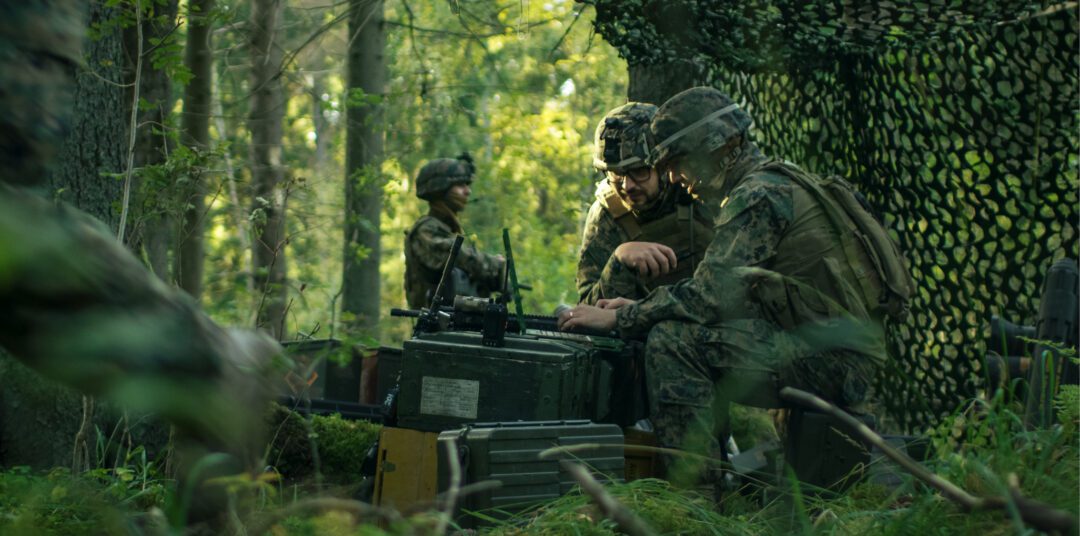
- A unified EMS visualisation and command suite provides commanders and operators with a common operational picture that filters unwanted signals, highlights Signals of Interest and supports timely decisions – exactly the decision advantage modern operations demand.
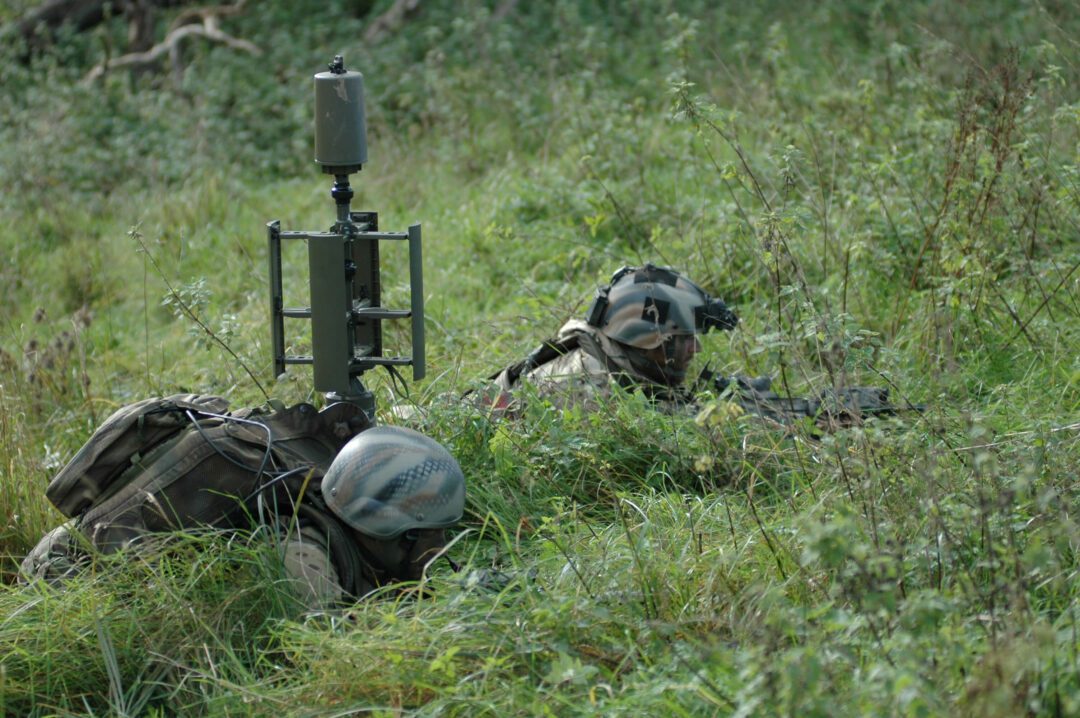
- Complementary wideband sensors and direction-finding systems providing Detect, Recognise, Identify and Locate functions to feed the C2 picture, turning detection into actionable targeting.
- At the tactical edge, modular Electromagnetic Attack (EA) systems that can be carried and configured by dismounted units place non-kinetic leverage where it matters most, enabling effects tailored to the mission. This avoids blunt, indiscriminate jamming which causes unintentional effects on blue force communications, critical national infratstructure (CNI) and civilian populations.
- Policy, procurement and training must align to treat EMS contest as the baseline condition. That means investing in interoperable C2 like EM-Vis Review, field-proven wideband sensors such as EM-Vis Perceive and agile EA capabilities such as EM-Vis Deceive – and then training under denied-spectrum conditions.
The fundamental question remains.
How do we plan to dominate the EMS, or do we merely hope it remains permissive when the test arrives?