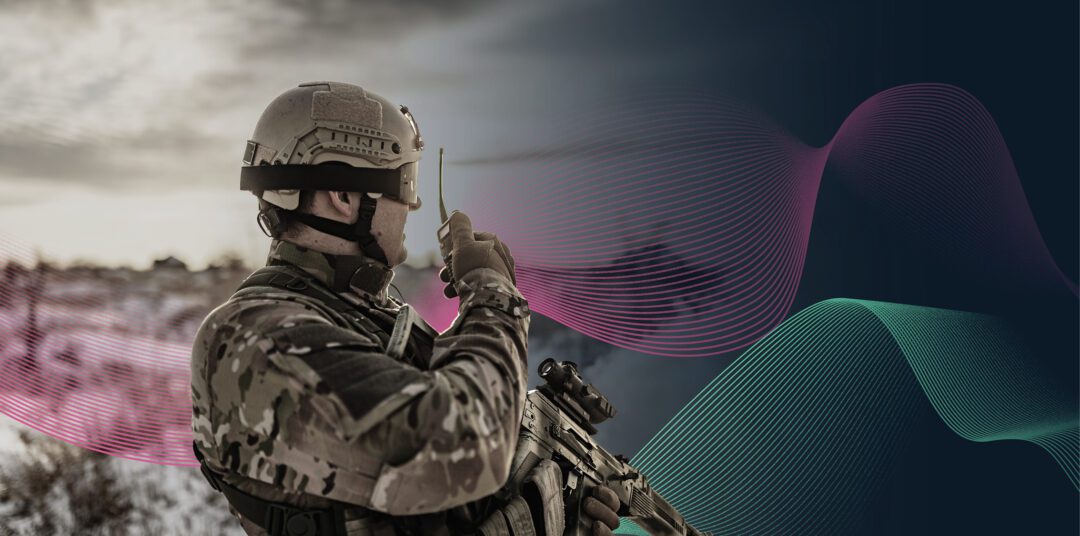
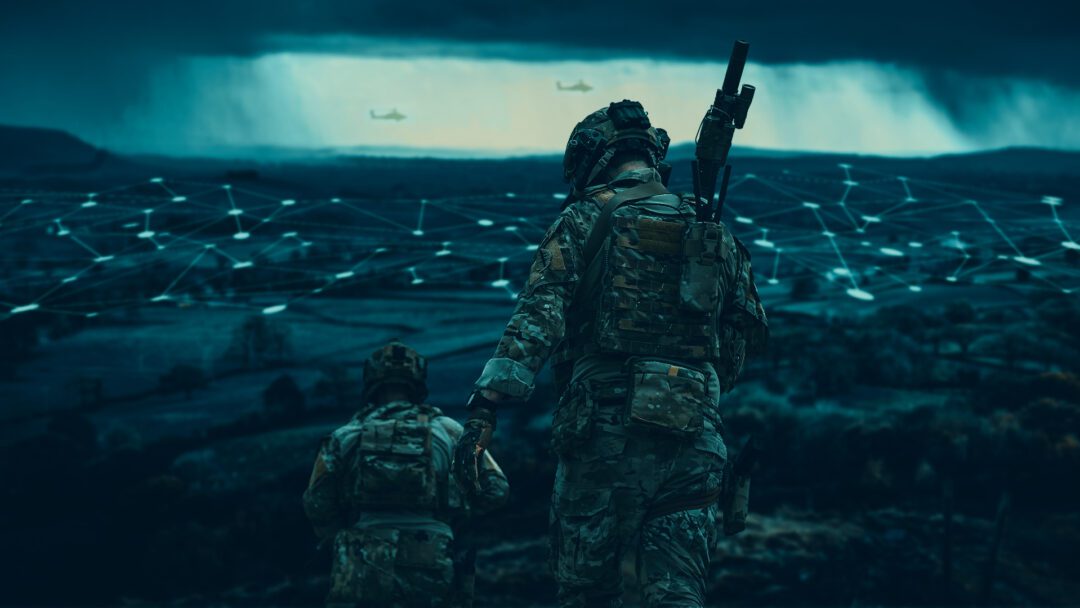
Two decades of planning for uncontested battlefields left us exposed. The answer isn’t just more kit – it’s different kit and a different mindset.
For more than twenty years, Western forces, procured, trained and fought for a world where control of the air, the Electromagnetic Spectrum (EMS) and the data space was assumed. Precision weapons, resilient networks and assured positioning created a sense of permanence – that we would always see, always communicate, always navigate.
Ukraine has shown how quickly those assumptions collapse.
In today’s battlefield, connectivity is fragile: drones are jammed or spoofed, networks go dark, and GPS becomes unreliable. This isn’t a nuisance – it’s an operational vulnerability with tactical consequences.
If doctrine and procurement still reflect the post-9/11 playbook, we risk entering the next conflict with critical blind spots. The response must be holistic: not only faster training and procurement cycles, but technology designed for contested EMS as the baseline.
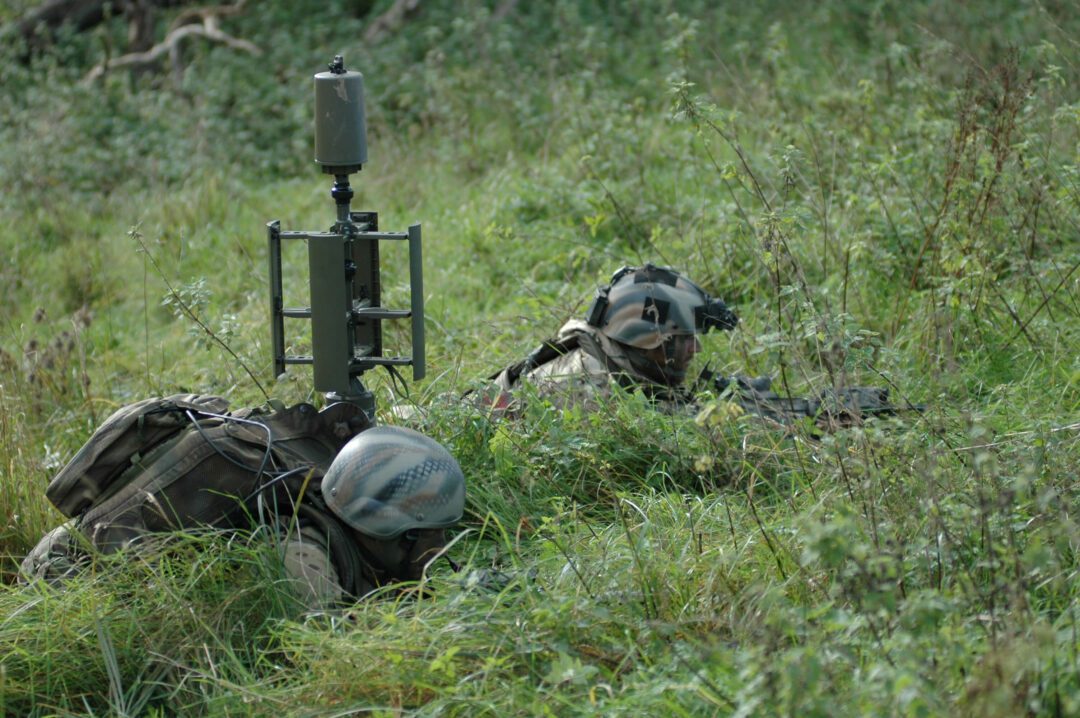
Practical examples already exist – from integrated Electromagnetic Spectrum visualisation suites that give commanders and soldiers a real-time operational picture, to dismounted Electromagnetic Attack (EA) systems like EM-Vis Deceive® that deliver targeted, non-kinetic effects at the tactical edge.
These modular, reconfigurable systems – capable of adapting to new frequencies and threat profiles in minutes – represent the agility future warfare demands. Combined with updated doctrine and realistic training that assumes EMS denial, they shift advantage back to friendly forces.
It’s clear that Electromagnetic Warfare (EW) is being democratised, and is no longer the pursuit of specialists.
The question for UK defence is simple but pressing: will we adapt doctrine, procurement and training fast enough to operate in a denied EMS, or continue planning as though the environment will remain permissive?
The answer will define who holds the initiative in the battles to come.

KEY TAKEAWAYS
This article examines how Western forces’ long-standing assumptions about uncontested air, data and electromagnetic environments no longer hold, with modern conflicts exposing significant vulnerabilities in connectivity, navigation and spectrum resilience. It argues that future readiness requires new doctrine, faster procurement cycles and modular EMS‑focused technologies designed for contested conditions as the operational baseline.