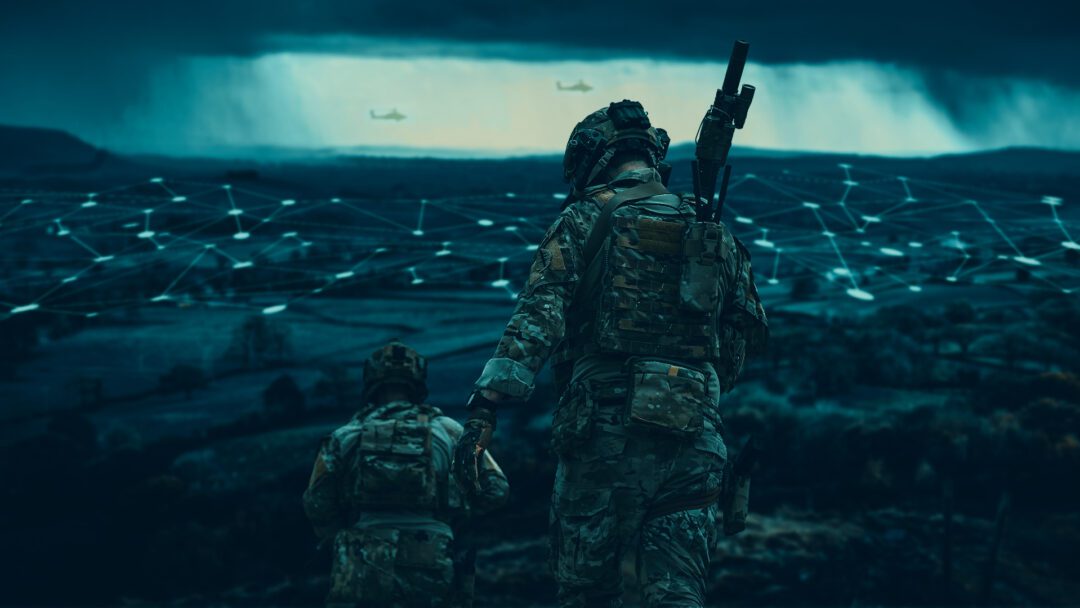
As Electromagnetic Warfare (EW) tools become commercial, non-state actors are gaining access to a once-exclusive arsenal.
The democratisation of technology is rewriting the threat landscape. What was once the preserve of state militaries – Electromagnetic Attack (EA), secure communications, and spectrum monitoring – can now be assembled from commercially available parts.
Off-the-shelf radios, jammers, and signal detectors can be low cost, portable, and powerful. For terrorist or insurgent groups, this provides the ability to coordinate, conceal and disrupt with tools that blend into everyday communications traffic.
A handheld GPS jammer can now be bought online. Encrypted push-to-talk radios, near-identical to those used by taxi fleets or construction sites, allow adversaries to coordinate attacks while appearing as routine civilian chatter within the Electromagnetic Spectrum (EMS).
Without real-time spectrum awareness, these emissions are indistinguishable from legitimate use. At the same time, low-cost drones equipped with basic EA payloads can blind surveillance systems or interfere with emergency response networks.
The issue is no longer theoretical – it’s inevitable.
Countering this shift requires more than traditional counter–terror tactics. Law enforcement and intelligence agencies must build genuine spectrum literacy: the ability to monitor, visualise and interpret the EMS in dense urban settings.
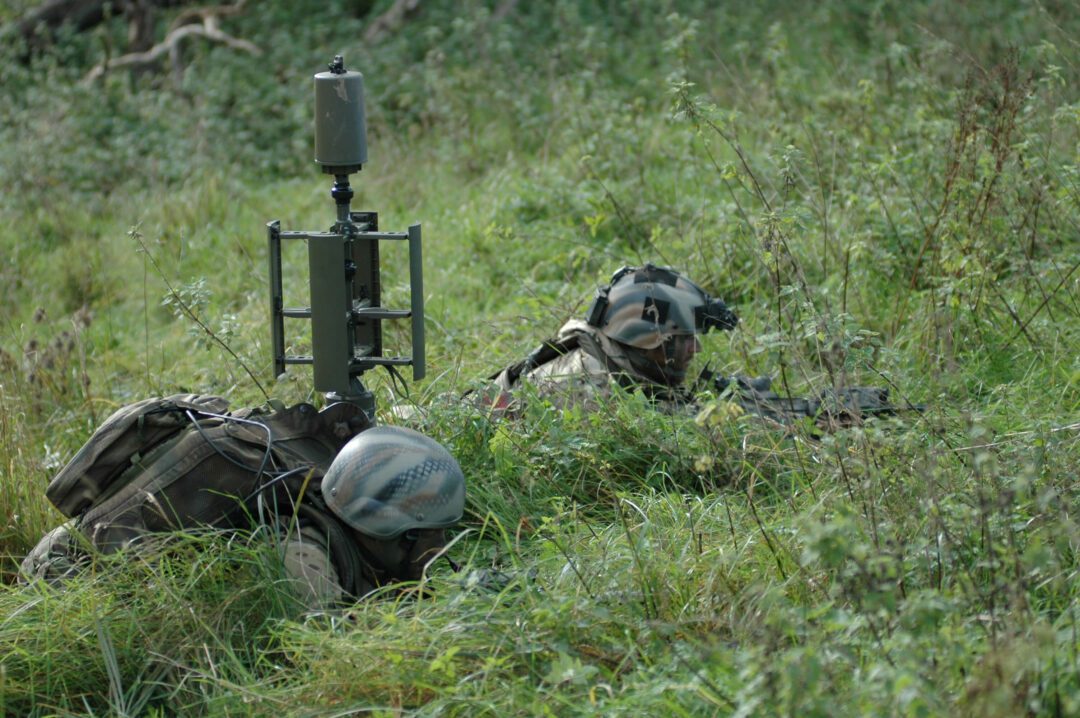
Field–deployable tools such as EM–Vis Perceive and EM–Vis Resolve offer a path forward, enabling distributed signal detection and analysis across teams. When coupled with centralised EMS visualisation platforms like EM–Vis Review, operators can distinguish anomalies and coordinate rapid responses before threats materialise.
The reality is that the Electromagnetic Spectrum is no longer just a battlefield for states – it’s an environment every security agency must police.
As access to EA–capable technology proliferates, the threat increases not only for military and security forces, but to civilians and critical national infrastructure (CNI).
Resilience will depend on whether the UK can rapidly detect, interpret and neutralise the invisible signals of intent, before that threat becomes reality.

KEY TAKEAWAYS
This article explains how the increasing availability of commercial electromagnetic warfare tools is enabling non‑state actors to conduct disruptive activities once limited to state militaries. It highlights the growing need for real‑time spectrum awareness and advanced EMS monitoring solutions to help security agencies detect and counter these emerging threats.