70 YEARS OF ROKE
In 1956 Roke opened its doors as a research powerhouse tucked away in the Hampshire countryside. Over the last 70 years Roke’s cutting-edge technology has been deployed worldwide and today our mission continues – innovating and deploying technologies to protect missions and save lives.
A HISTORY FULL OF SURPRISES
In a world without Roke you wouldn’t have the networks you call on, the intelligence you rely on, the security you depend on, or the innovations you enjoy. From secure communications to electronic warfare, mobile networks to AI‑driven sensing, we’ve helped shape the modern world for 70 years.
Scroll to discover a history full of surprises.
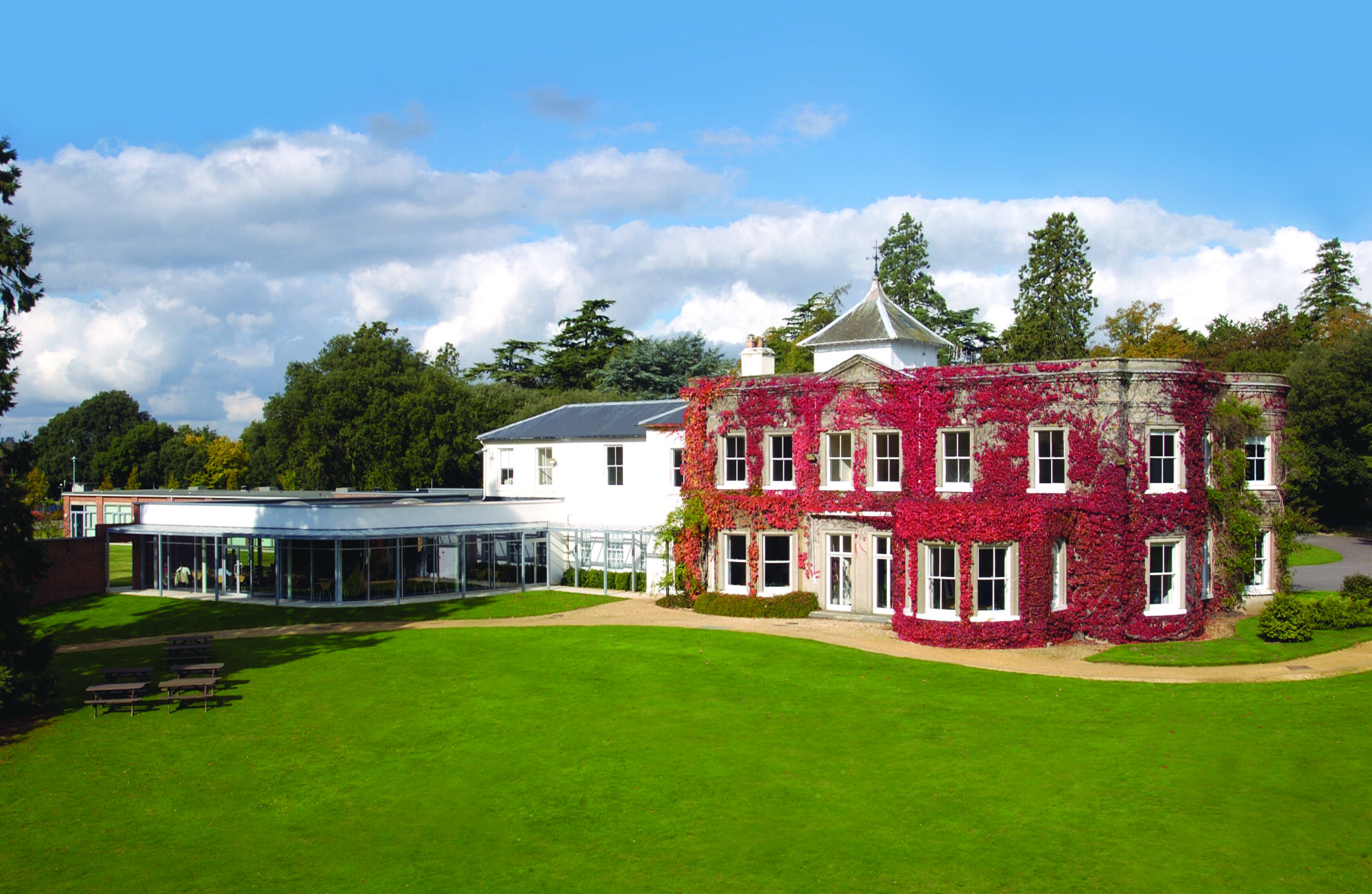
1961: THE HOBART PLAN
Secure Digital Battlefield Communications
Before mobile phones, before the internet – before “digital” meant anything to most of the world – Roke was building a revolutionary concept for the British Army called the Hobart Plan.
It imagined a future where forces could move, communicate, and coordinate digitally, securely, and without fixed infrastructure.
It was bold. It was ahead of its time. And it worked.
The principles behind Hobart still underpin modern tactical communications today.
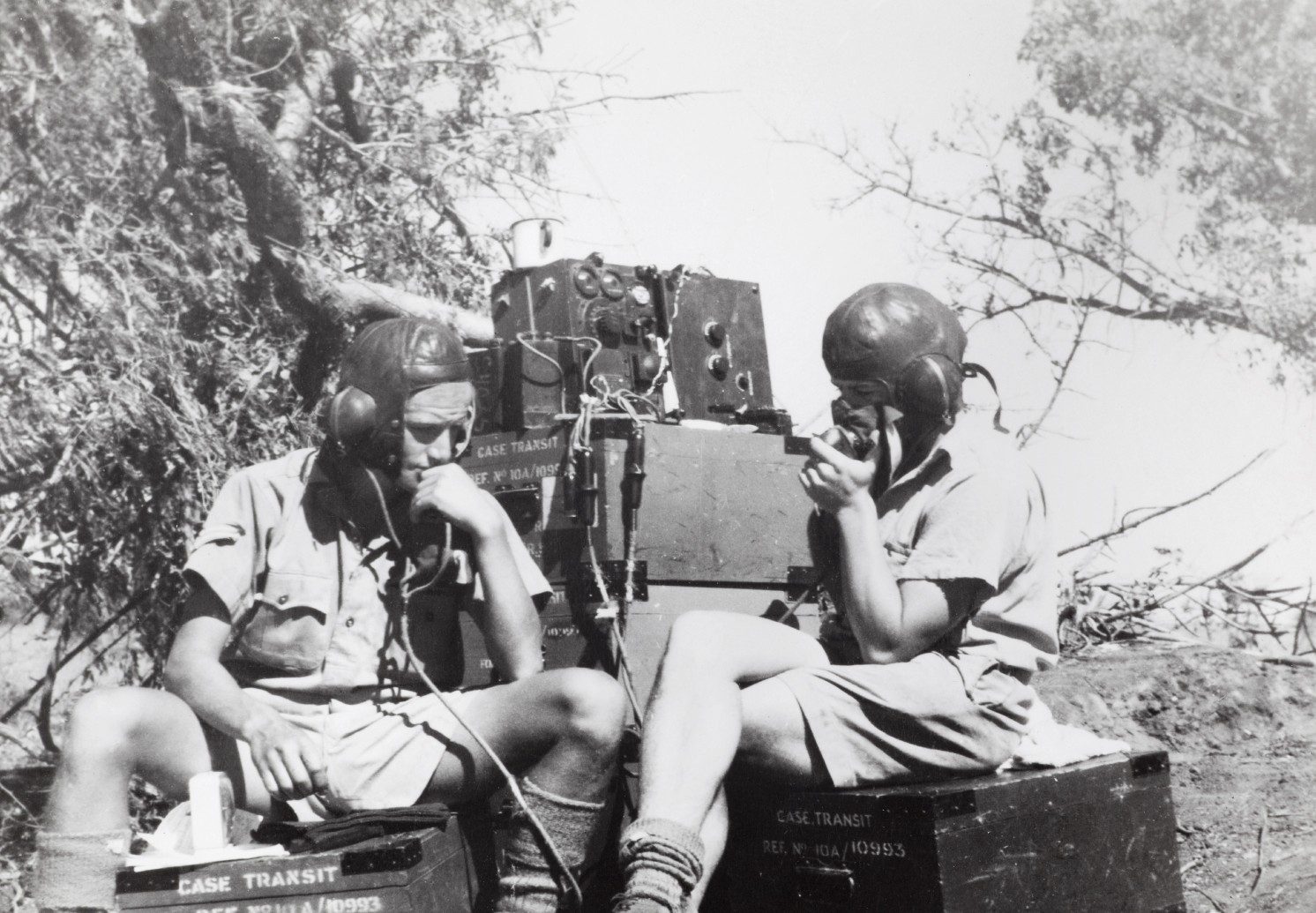
1967: MALLARD
Mallard wasn’t a product. It was a turning point.
A joint UK–US–Canada initiative powered by Roke engineers, it delivered the world’s first operational mobile digital communications system.
Mallard proved that secure, portable, digital connectivity was possible – a real-world demonstration that inspired the evolution of cellular networks, tactical radios, and global mobile standards.
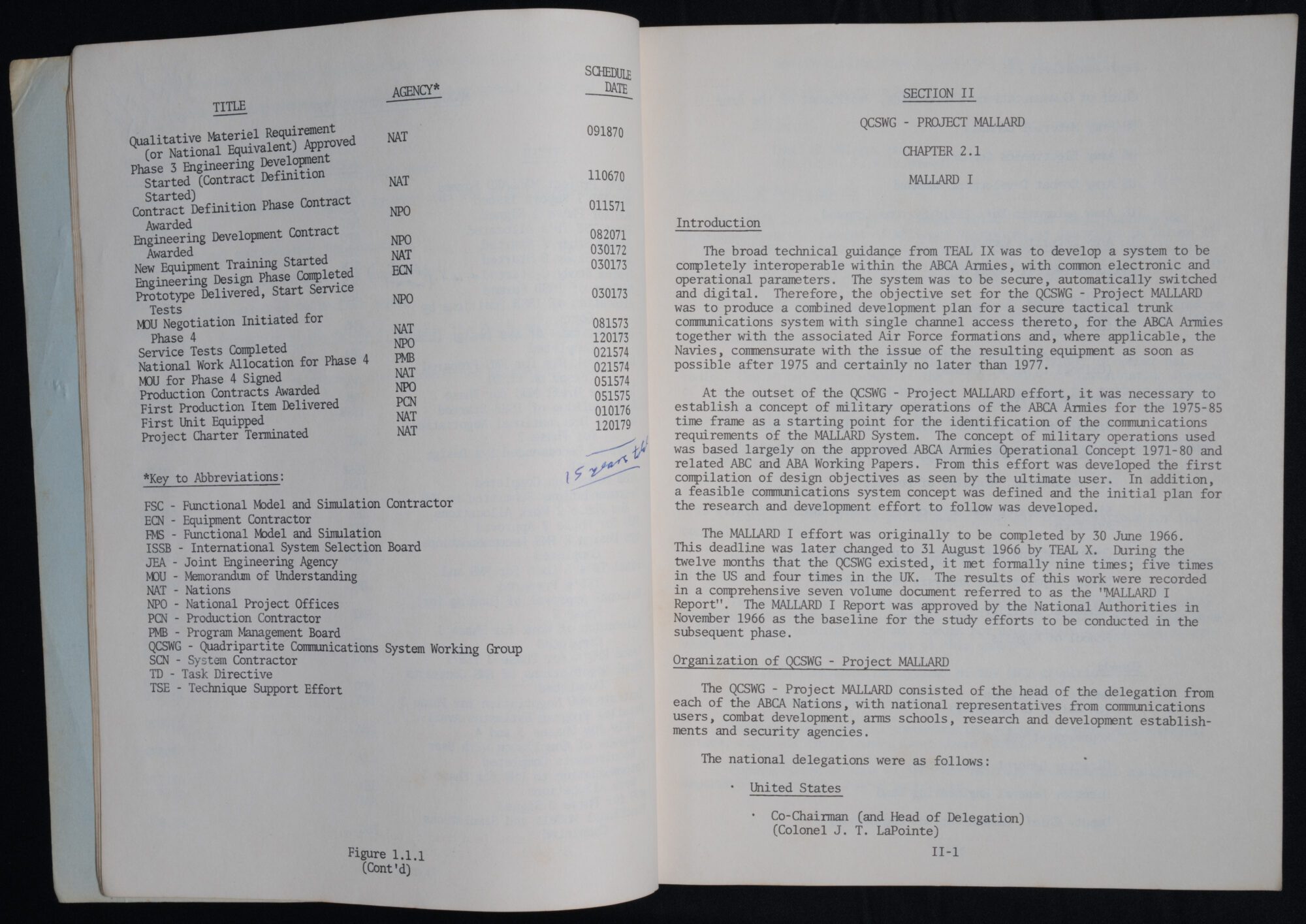
1973: PTARMIGAN PRIME CONTRACTOR
When the UK selected Plessey (powered by Roke’s technology) as the prime contractor for Ptarmigan, they made a strategic leap forward.
Ptarmigan introduced:
∙ Secure mobile switching
∙ Encrypted digital voice and data
∙ Modular, rapidly deployable nodes
∙ Battlefield-wide connectivity
It became the backbone of UK tactical communications from the 1980s through the 2000s, used extensively across NATO operations. Modern digital combat networks didn’t appear overnight. Roke helped build the first real one.
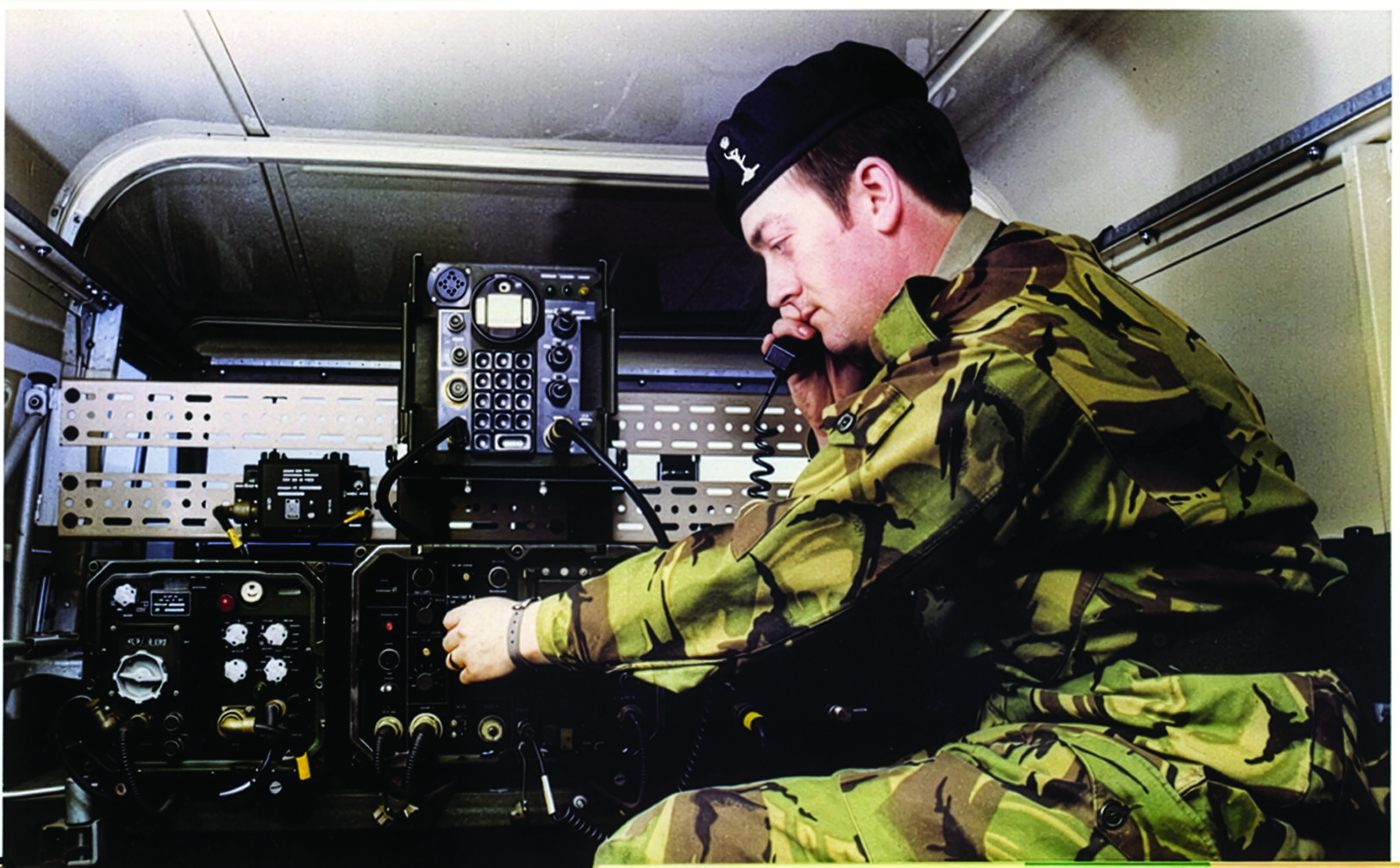
1985: GSM & GLOBAL MOBILE STANDARDS
Back in 1985, before most people had even touched a mobile phone, Roke was helping define what became the Global System for Mobile communications (GSM) standard.
That standard went on to connect 5+ billion people and laid the foundations for the 3G, 4G and 5G networks we rely on today.
From battlefield communications to the phone in your pocket – the core ideas were shaped by the engineers at Roke.

1992: MONET
Roke’s work in MONET helped shape the concept that mobile networks should evolve beyond voice – toward data-rich services, real-time multimedia, and IP-based connectivity.
Today we treat streaming, mobile video, cloud apps, and multimedia messaging as everyday essentials.
1995: HALO
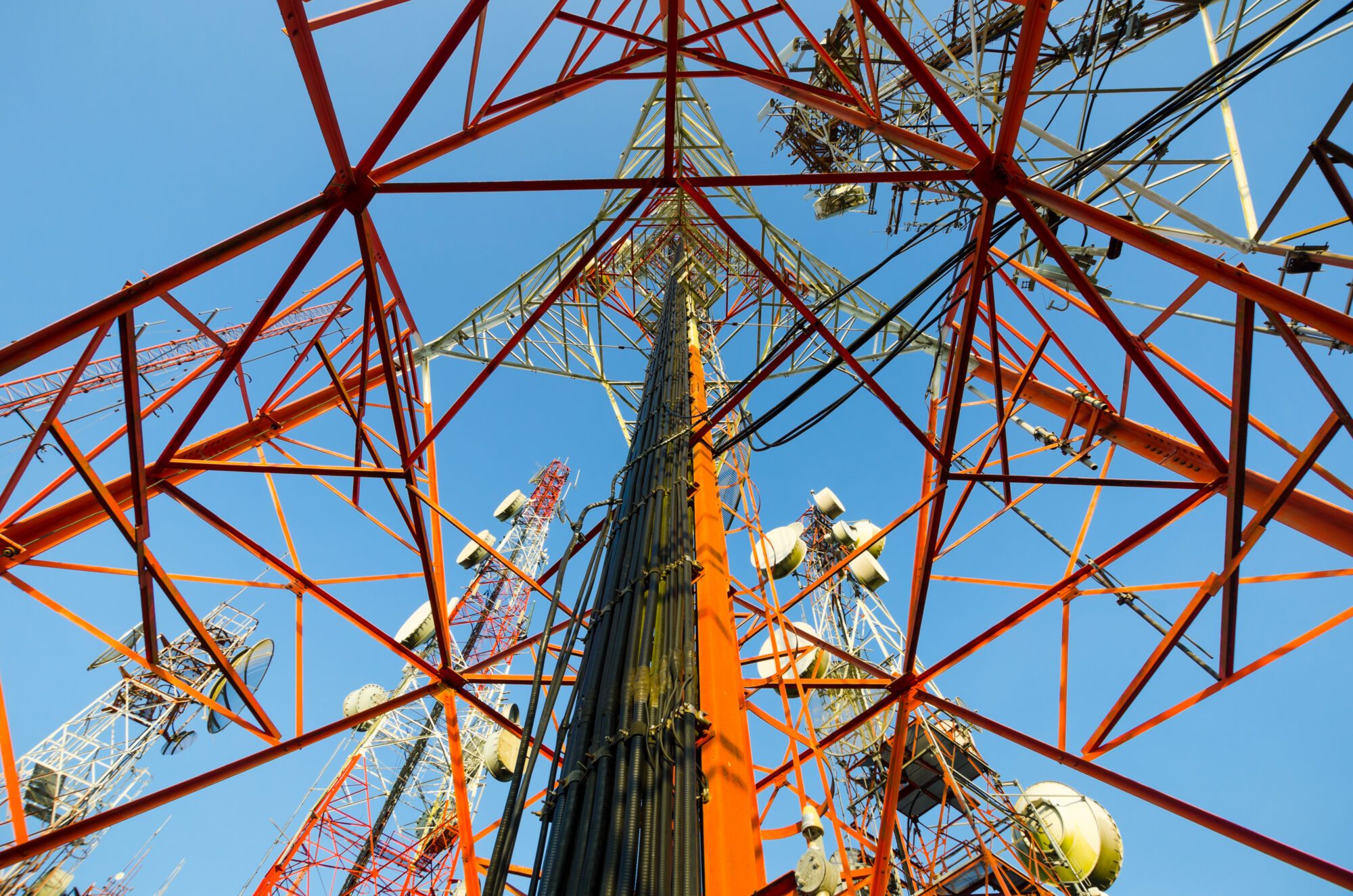
HALO started as a bold idea. What if we could detect hostile fire by listening for it, faster than the human ear and accurate enough to protect troops and civilians?
It was deployed with UN peacekeepers in Bosnia, saving lives in one of the most complex conflict environments of the era.
HALO became internationally recognised because it:
∙ Located gunfire and mortar launches with precision
∙ Operated in urban, rural, and mountainous terrain
∙ Reacted faster than any manual observation
∙ Protected peacekeepers and humanitarian teams
∙ Provided forensic‑level acoustic intelligence
2001: HAWK-EYE
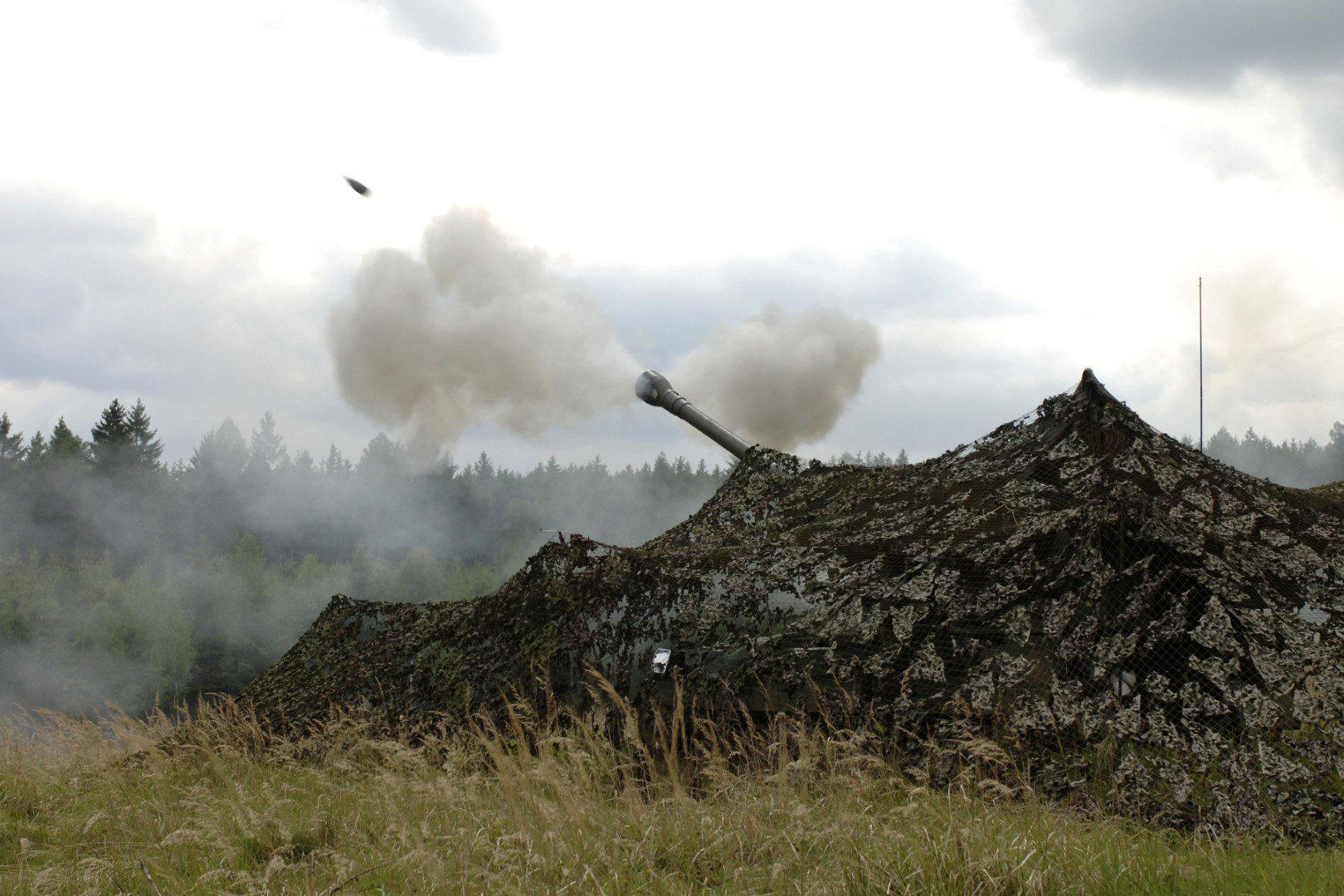
Before VAR debates, line calls or slow‑motion replays, Roke engineers built the tracking system to map a ball in 3D space.
It changed cricket. Then tennis. Then football. Then pretty much every major sport on TV.
What started as deep tech from a defence R&D lab became a global phenomenon watched by billions. Hawk-Eye later won a Royal Television Society Award.

2003: MRA & BEAGLE 2 MARS LANDER
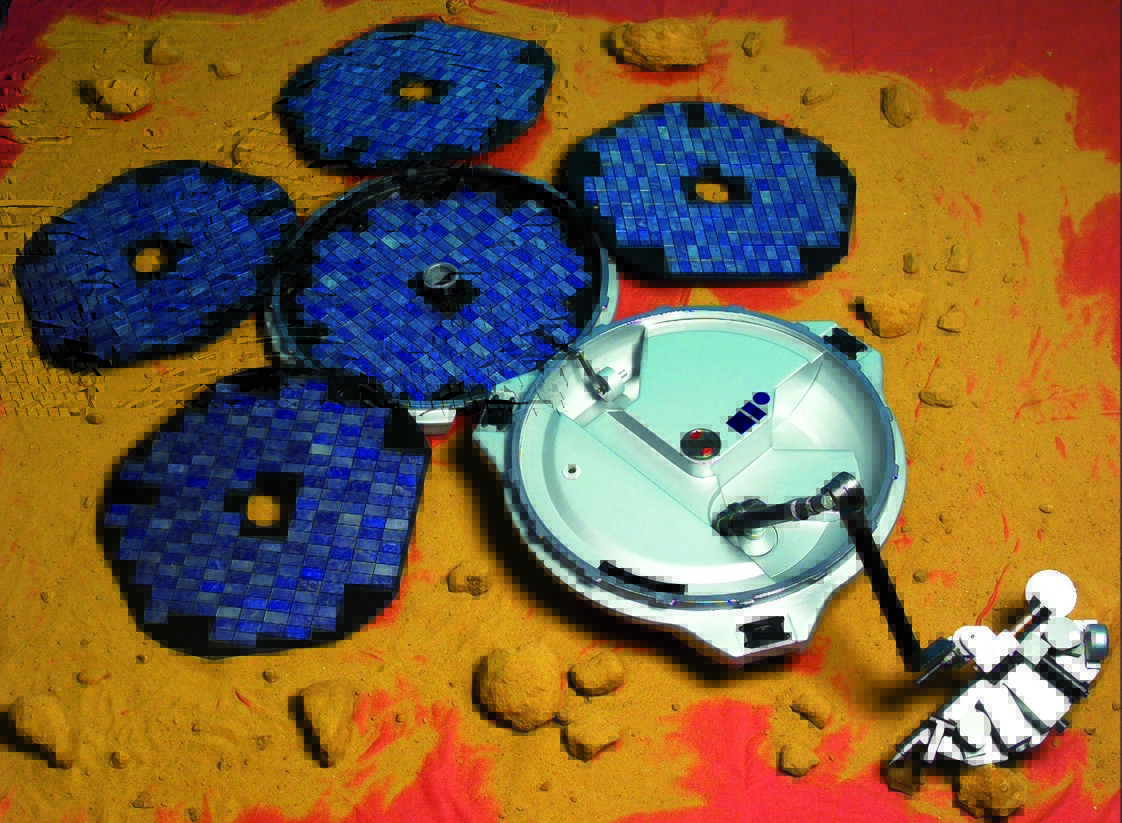
Our Miniature Radar Altimeter (MRA) helped Beagle 2 land on Mars.
The MRA is a lightweight, 2 cm-accurate radar sensor crucial for the landing sequence. It is designed to provide precise altitude measurements during the descent, enabling a safe touchdown on the Martian surface.
Beagle 2 landed on Christmas Day 2003, but failed to broadcast back to Earth due to a partial solar panel deployment, which covered its communications antenna.
2010: VISUAL TARGET ANALYSIS
In 2010, Roke developed Visual Target Analysis (VTA), a suite of tools that dramatically improved how airborne video could be processed, understood, and acted upon.
Before “AI‑powered ISR” (Intelligence, Surveillance & Reconnaissance) became standard terminology, VTA was giving operators clearer insight into complex scenes from real‑time aerial feeds.
It enhanced:
∙ Threat detection
∙ Situational awareness
∙ Mission decision-making
∙ Targeting precision
Nearly every modern ISR platform now relies on advanced video analytics.
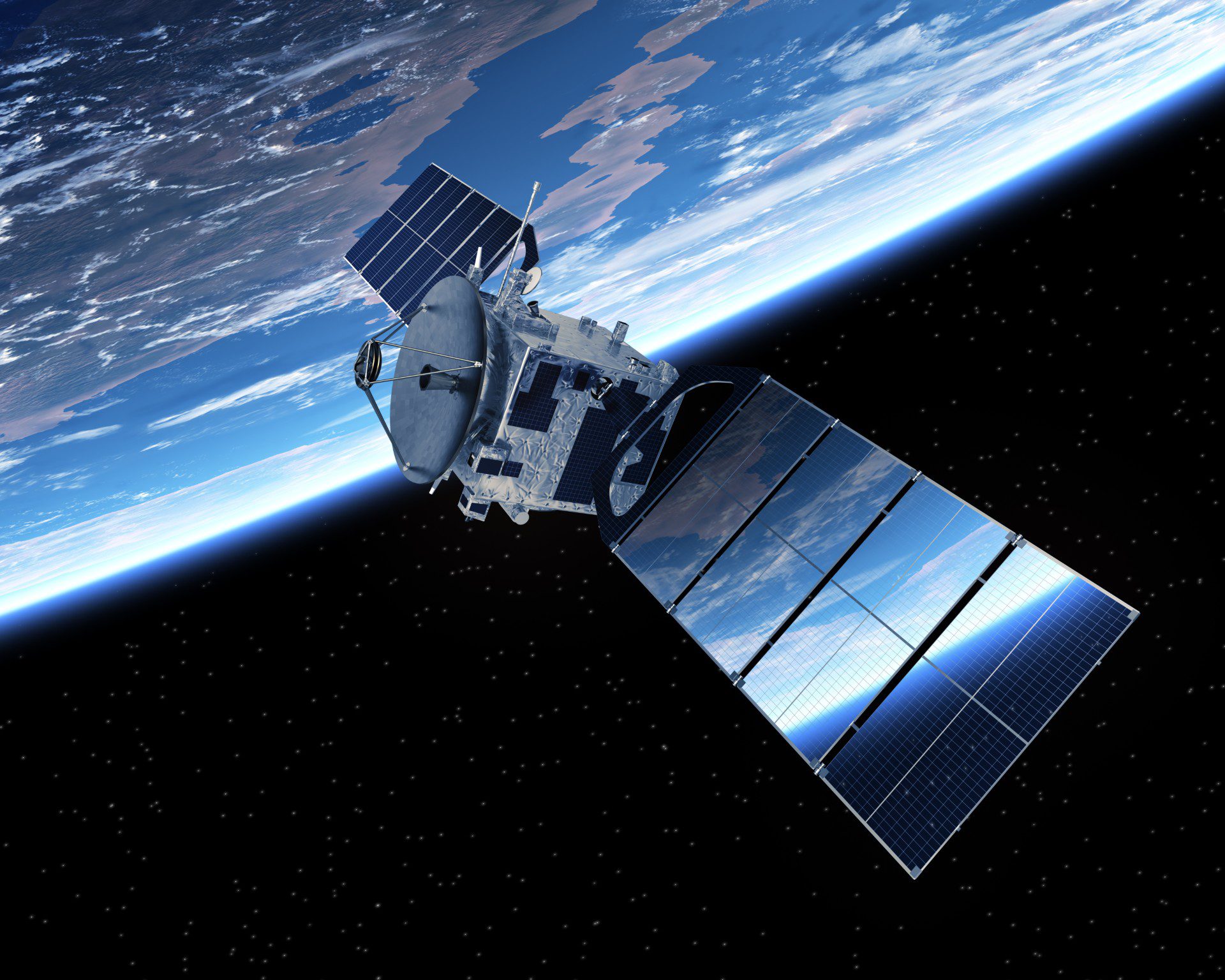
2016: STARTLE
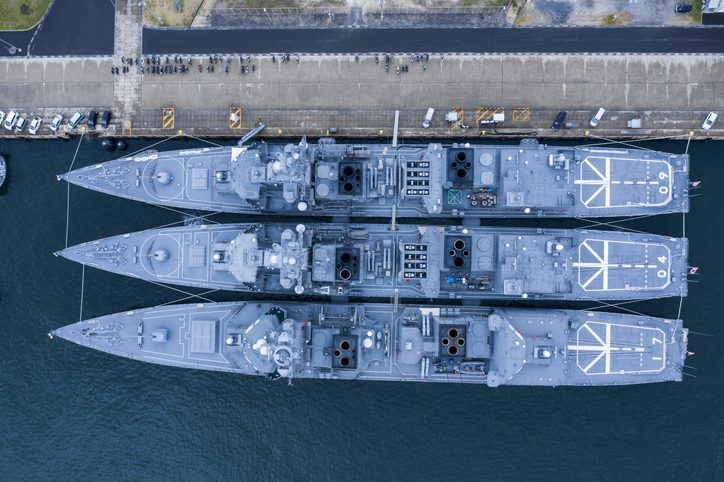
Roke delivered STARTLE – a cutting-edge situational awareness system that helped Royal Navy crews detect threats earlier, react faster and stay ahead in complex maritime environments.
STARTLE used advanced algorithms to assess sensor data in real-time, identifying anomalies and highlighting emerging dangers long before a human operator could.
It provided:
∙ Rapid threat detection
∙ Reduced operator workload
∙ Enhanced decision support
∙ Resilience in high-stress, cluttered environments
2021: PROJECT ZODIAC
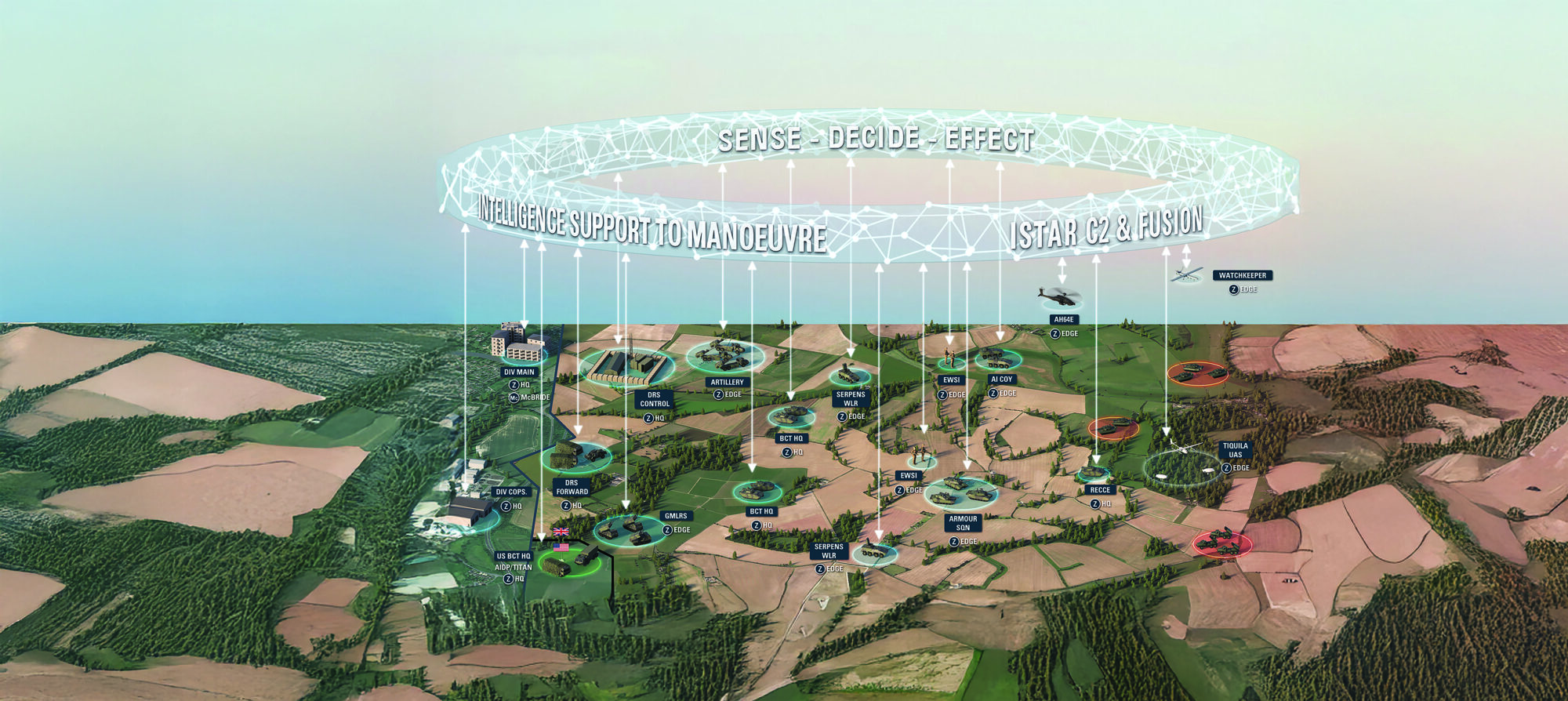
Since 2021, we’ve been working alongside the British Army to co-develop ZODIAC, a capability that integrates every sensor, decision-maker and effector into one digital network.
Already proven in large-scale exercises, it is accelerating decision-making, strengthening interoperability with NATO allies, and giving UK forces a decisive edge.
2025: STORM
STORM (Science & Technology Orientated Research & Development in Missile Defence ) is focussed on developing measures to counter current and future ballistic and hypersonic missiles. The programme covers analysis, experimentation, trials, and technology development for missile counter proliferation, deterrence, counterforce, and active and passive defence systems.
STORM work will play a key role in developing next-generation missile defence solutions and inform UK defence policies and Government decision-making.
GET IN TOUCH
If you’d like to find out more about our innovations, past or present, please drop us a line.
Want to discover what’s next?
Finding out what’s next has always been part of Roke’s story.
Our heritage is built on curiosity, exploration and applying deep technical insight to real-world challenges. Today, that same mindset drives how we look forward. Through SPARK, we turn informed questions about the future into practical, proven capability – evolving systems, exploring new technologies, and delivering advantage at pace.
Because understanding where you’ve been is only valuable when it helps you shape what comes next.