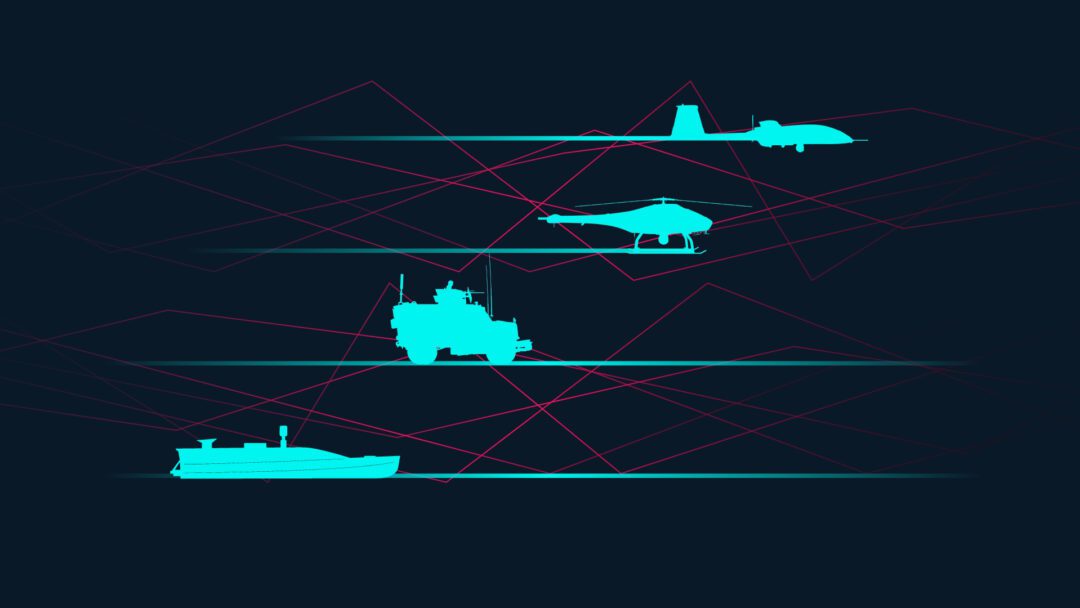
Global Navigation Satellite Systems (GNSS), including GPS, are among the clearest examples of military technology evolving into critical civilian infrastructure, growing from defence navigation capabilities into a foundational layer of the global economy.
Today, commercial aviation, shipping, critical infrastructure, financial networks, autonomous systems, and emergency services all depend on resilient GNSS positioning, navigation and timing data.
On the battlefield, assets that rely on GPS have long been targeted through jamming and spoofing attacks. For decades, civilian sectors operated with relatively little concern about deliberate GNSS interference. But with advancements in technology and an evolution in how battles are fought, that has changed.
Twenty years ago, GNSS jamming was a problem confined to the battlefield. Today, it is the global norm, disrupting commercial aircraft, merchant shipping and civilian drone operations with increasing frequency and complexity.
THREATS ARE EVOLVING FASTER THAN PROTECTION
GNSS attacks have changed fundamentally over the past two decades. Historically, these attacks were conducted by large, static battlefield jammers. On the frontline, the enemy may only have had one jammer with limited operational footprint, which they would have used for narrow military objectives.
Militaries responded with anti-jam protection technologies such as Controlled Reception Pattern Antennas (CRPAs). CRPAs use multiple antenna elements and beamforming techniques to identify, suppress and reject hostile jamming or spoofing signals while maintaining access to trusted satellite navigation data.
Roke pioneered some of the world’s earliest operational GPS anti-jam systems in the 1980s, including the Plessey PA9800, which was built at Roke Manor and later tested by the US military long before GPS itself was declared fully operational.
Over the past twenty years, commercial GNSS capability has evolved rapidly. Defence organisations have spent years adapting to increasingly contested electromagnetic environments, investing heavily in resilient Positioning, Navigation and Timing (PNT) capabilities such as CRPAs. But unlike the military, many civilian sectors have adopted these technologies without equivalent protection layers.
CIVILIAN SECTORS REMAIN EXPOSED
With jamming and spoofing attacks only expected to increase, civilian sectors are left exposed. GNSS interference is now a common occurrence across civilian aviation, maritime and critical infrastructure – and these attacks are increasing in frequency and sophistication.

Commercial ships must live with GNSS interference in the Straits of Hormuz. In aviation, there are now thousands of reported GNSS jamming and spoofing incidents per day, particularly in regions surrounding conflict zones and other sensitive areas such as the Mediterranean, Black Sea, Middle East, Baltic Sea, and the Arctic, according to the European Union Aviation Safety Agency.
Such incidents are causing widespread alarm for crew, flight risks and failures, and much more. Interference incidents are also being reported across critical infrastructure sectors, where GNSS disruption is impacting timing-dependent systems such as power grids and telecommunications networks.
In short, the line between civilian and military threat environments has collapsed.
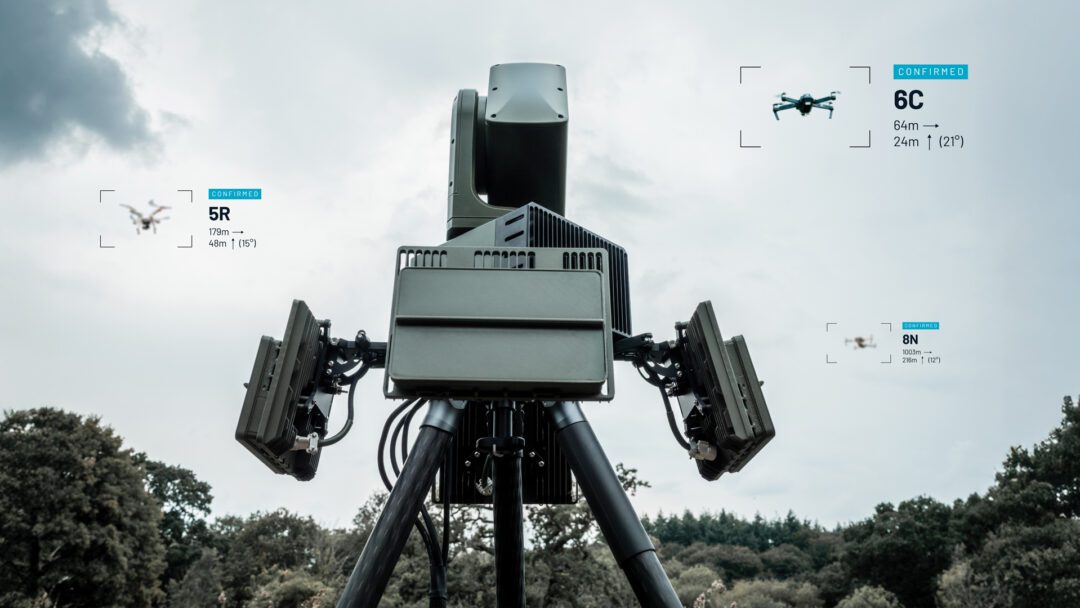
Across shipping, aerospace, energy and critical infrastructure, UAVs are now also routinely used for inspection, monitoring, surveying, logistics and security operations. Reliable GNSS positioning has become central to day-to-day commercial activity. Loss of trusted positioning data can quickly impact operations, with the potential to become a safety and regulatory issue as well.
Many organisations rely on mid-market drone platforms that deliver significantly greater capability than consumer systems but lack the hardened anti-jam and anti-spoof protections typically found on military-grade UAVs – leaving them increasingly exposed to interference attacks.
MILITARY GRADE PROTECTION FOR THE COMMERCIAL WORLD
GNSS protection is now critical for most industries – and, for the first time, it is also accessible. By actively detecting and suppressing hostile jamming and spoofing signals, CRPAs allow UAVs and other GNSS-dependent platforms to maintain trusted positioning data even in contested electromagnetic environments.
Traditionally, CRPA technology was expensive and restricted to high-value military platforms like fighter jets or Apache helicopters because of cost, training and size restraints. Modern CRPAs are smaller, cheaper and deployed far more widely across military platforms.
Advances in low-SWaP (size, weight and power) architectures are also making these systems far easier to integrate across space- and power-constrained civilian platforms. This shift is making them commercially viable for a far wider range of civilian and industrial systems.
GPS technology may be one of the most successful examples of dual-use technology, but it is now introducing military-level threats to the civilian world. The defence industry now treats GNSS denial as an expected operating condition, but civilian operators are only now beginning to face the same reality.
Viable protection technologies already exist, but their adoption has been limited by cost, complexity and integration challenges. As these barriers begin to fall, the priority is ensuring solutions are applied appropriately, based on operational need, risk exposure and the consequences of failure. Business leaders, drone manufacturers, and national security experts should be looking to validate and adopt them pre-emptively.
The future of resilient navigation will depend on bringing military-grade protection into civilian systems.
DISCOVER ROKE’S RESILIENT PNT PORTFOLIO
Complete the form to speak to an expert or request technical details about Roke’s Resilient PNT Portfolio.
RELATED PNT ARTICLES
Click here to read our latest articles about Roke’s PNT capabilities.
DISCOVER ROKE’S RESILIENT PNT PORTFOLIO
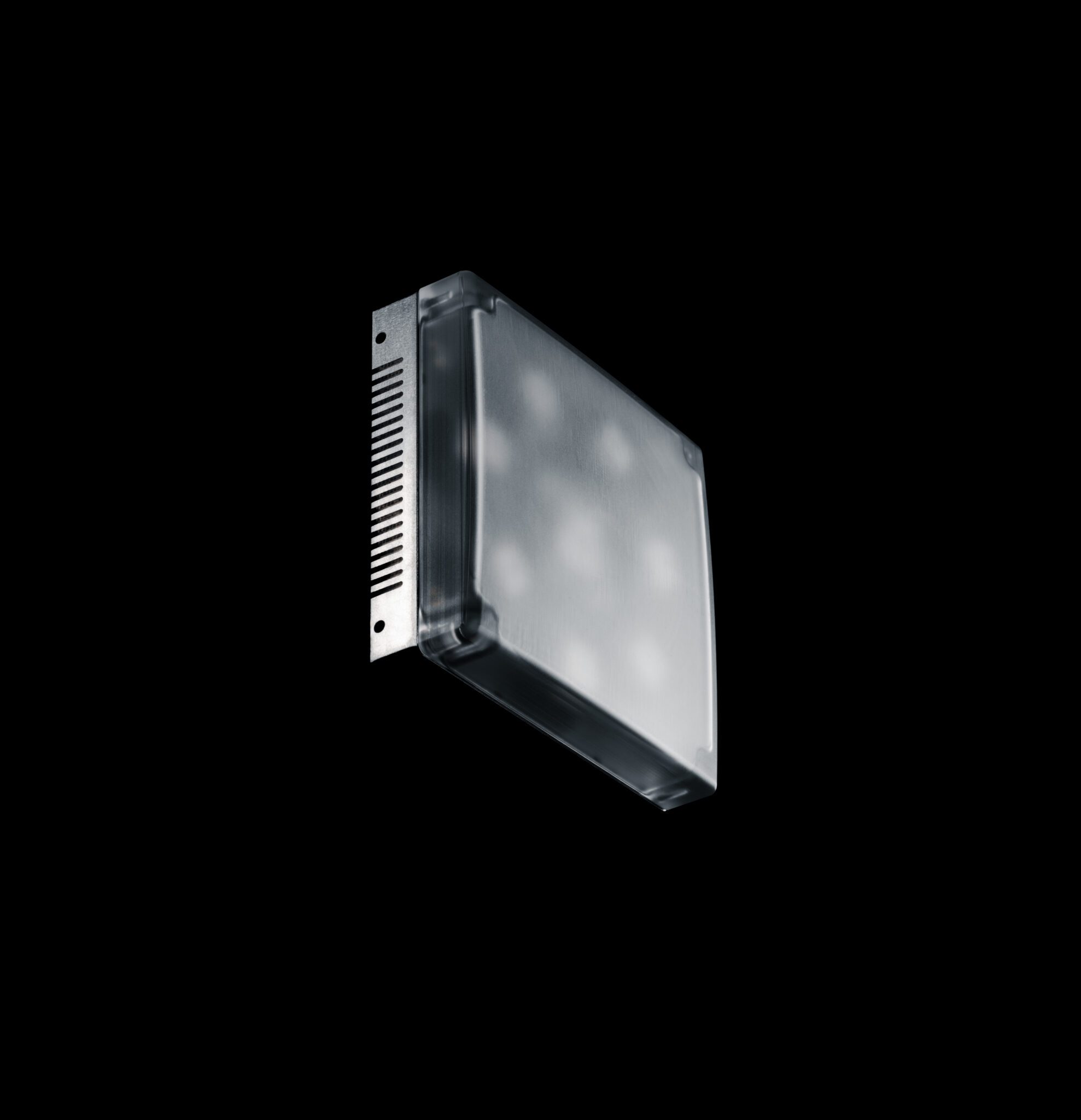
Nav-Sync Armour
CRPA-8 antenna specifically designed to support the proliferation of autonomous platforms across multiple operational areas.
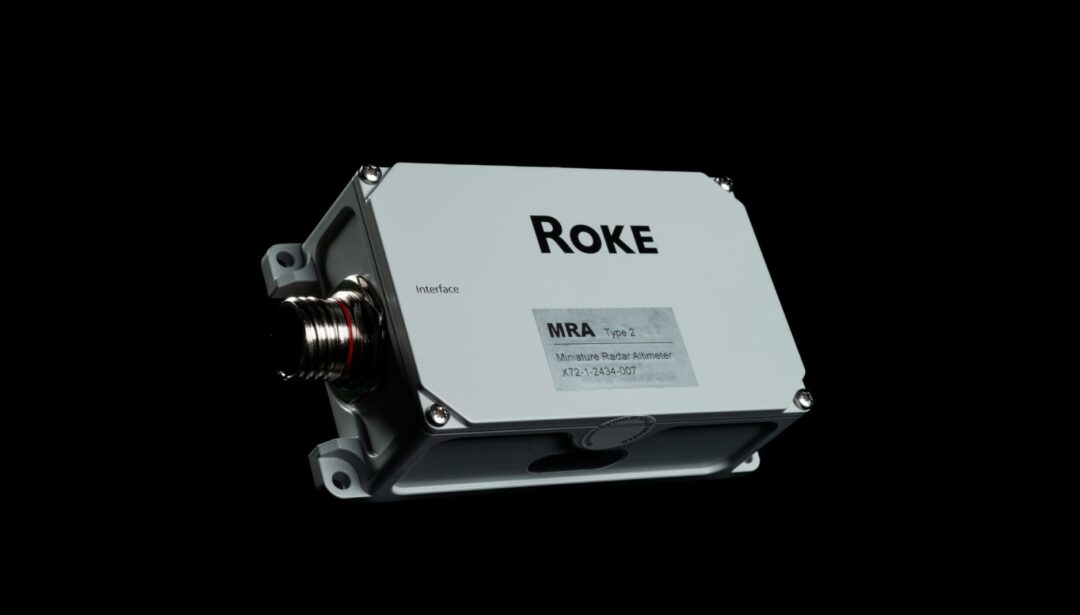
Nav-Sync MRA
Smallest, lightest altimeter in its class, providing precise height measurements for aircraft operations even in challenging conditions.
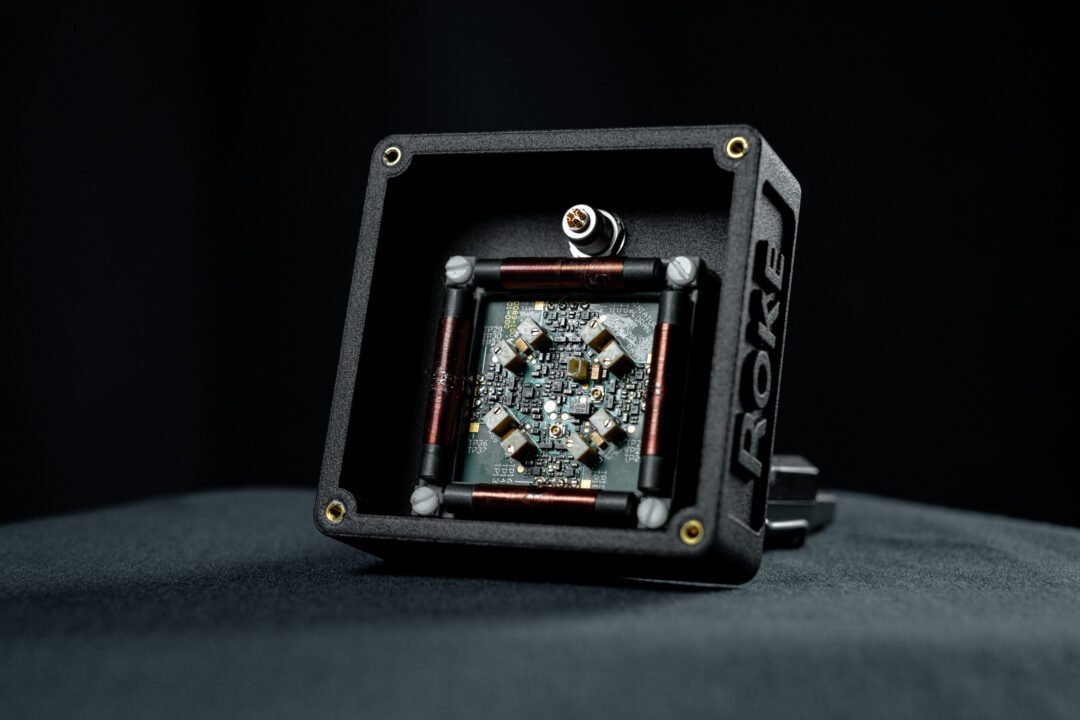
Nav-Sync Pulse
Achieve terrestrial positioning resilience through ground-based transmitters rather than vulnerable satellites.
KEY TAKEAWAYS
GNSS jamming and spoofing have moved beyond the battlefield, increasingly disrupting civilian infrastructure and commercial operations. Advances in CRPA technology are making military-grade GNSS protection accessible and essential for civilian systems.