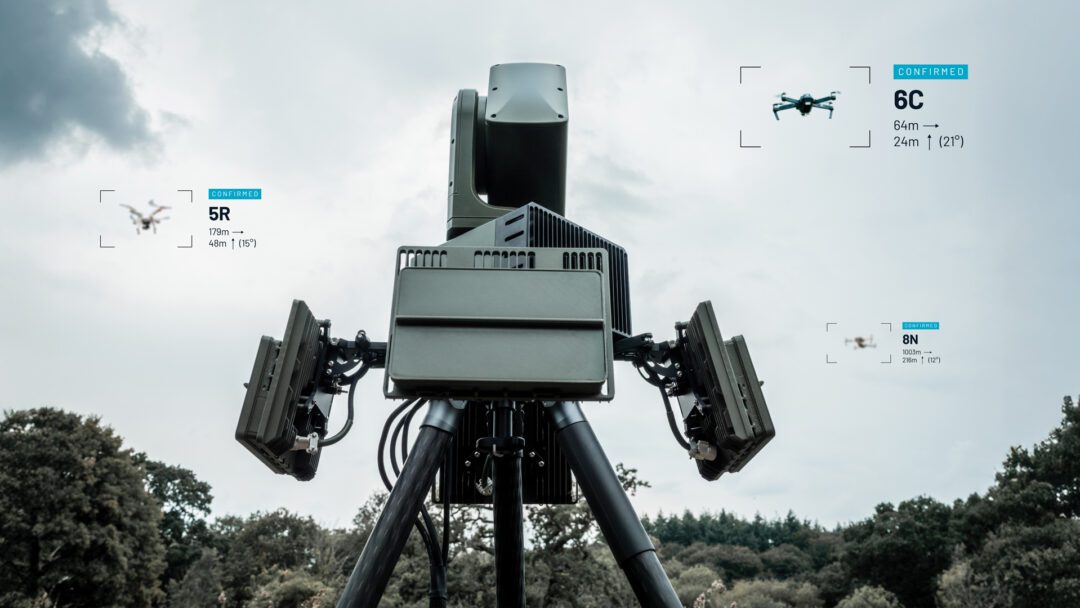
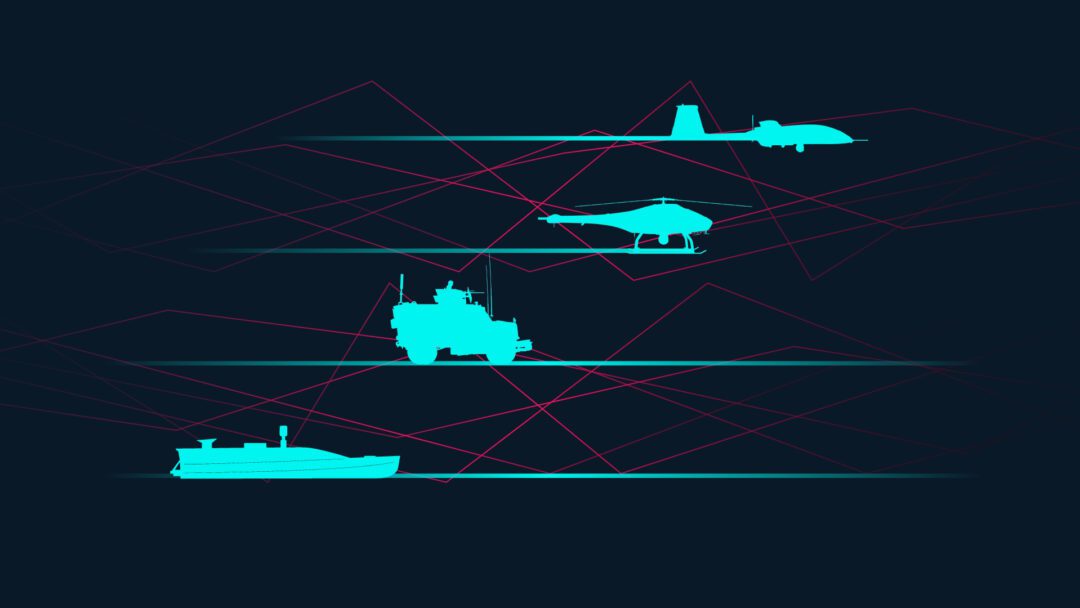
As jamming and spoofing threats grow across defence, aviation and commercial drone operations, demand for technologies to protect against them is rising.
Controlled Reception Pattern Antennas (CRPAs) are designed to protect Global Navigation Satellite System (GNSS) signals, such as GPS, from electronic attack. They suppress interference while preserving legitimate satellite signals, helping platforms maintain positioning and navigation in contested environments.
Even as the market grows, CRPA capability is still often reduced to a single metric: anti-jam performance measured in decibels (dB). However, on their own, jamming suppression levels say very little about how a system will perform operationally.
Reducing CRPA performance to a single number is akin to choosing a vehicle based solely on its top speed. A high maximum speed may sound impressive, but it tells you very little about how that vehicle will behave under real world conditions, and whether it is suitable for your intended use.
Can it survive rough terrain? Will it remain reliable? Can it carry the required payload safely and consistently?
Likewise, a single anti-jam figure lacks critical information for protecting against the diversity of interference threats. Jammers operate across different frequency bands, waveforms, bandwidths, and duty cycles. A dB protection figure for a CRPA is meaningless, unless you specify against what sort of threat. And against how many simultaneous threats? And under what level of platform dynamics? The nature of the threat is constantly evolving, with new approaches and behaviours emerging over time.
Some CRPAs can protect multiple GNSS frequency bands simultaneously. Others operate on a single band only. Within each band, CRPAs will support different bandwidths, which may allow them to protect wider-band military signals, or narrowband civilian signals. They may be designed specifically for relatively simple jamming attacks, or for more advanced spoofing threats. They may also offer situational awareness functionality, such as multi-threat direction-finding and classification.
UNDERSTANDING THE THREAT COMES FIRST
Organisations should start first with a risk analysis.
If GNSS is denied or degraded, what is the impact? Is it a minor inconvenience, or a safety-critical incident?
Then, they should consider the specific threats that they want the system to actually protect against.
Which satellite frequency bands require protection, and against what waveforms? Could multiple frequencies could be attacked simultaneously? How many jammers might be present, and are those threats are static or moving?
Finally, consider the dynamics of your mission:
Is your GNSS antenna a static installation? Or on a missile operating under high dynamics? Answering these questions will allow you to procure the right CRPA.

Operational context is equally important. Deployment conditions also matter, as a stationary ground installation faces very different challenges from a fast-moving aircraft or a small autonomous platform operating in a dense electromagnetic environment.
In response to the speed of innovation on the modern battlefield, organisations need systems that can maintain protection across multiple GNSS bands, adapt quickly to changing threat conditions and continue to operate effectively when multiple dynamic jammers are present simultaneously.
In this context, adaptation speed – the delay between detecting interference and responding to it – is an increasingly important feature of CRPAs deployed in highly dynamic environments. The choice of algorithms in the CRPA is also critical here: some CRPAs suffer from a problem known as eigenvalue spread, which can lead to slow adaptation speeds in certain situations.
TRADE-OFFS SHOULD BE ACKNOWLEDGED AND ANTICIPATED
No single CRPA can cover all threat profiles, and every technology has trade-offs that must be considered.
Many systems use a technique called beamforming. This allows the antenna to electronically shape how it receives signals, suppressing interference whilst simultaneously improving the reception of legitimate satellites.
However, aggressive suppression can create unintended side effects. One example is “sky loss”, a reduction in the number of actual satellites the system can still see. Here, the actual physical layout of the CRPA antenna array is critical, and this is often poorly understood by both CRPA manufacturers and end users. Array ambiguity can occur with a poorly-designed antenna layout, leading to unintended loss of some satellite signals, or the inability to determine true jammer directions.
In some situations, a CRPA that appears highly effective against jamming may inadvertently reduce overall GNSS performance at the same time.
This underscores the fact that real-world testing, validation and integration experience are therefore essential parts of evaluating any resilient Positioning, Navigation, and Timing (PNT) capability.
Performance alone is rarely enough. Integration burden, power consumption, physical footprint, upgrade complexity and supply chain trust often determine whether protection can realistically be deployed across a wider fleet.
CHOOSING THE WRONG CRPA COULD CAUSE MISSION FAILURE
In some environments, inadequate GNSS protection may cause only minor disruption or reduced operational efficiency. In others, the impact can be far more serious. Missions can fail and platforms lost.
On top of this, operators could also face regulatory consequences for neglecting to equip the proper protections. In the most severe cases, poor targeting and navigation data can put lives at risk.
Demand for affordable GNSS protection has attracted a wave of new entrants, particularly as smaller drone operators begin seeking anti-jam capability for the first time. This rapid expansion has made it harder to distinguish proven capability from empty marketing claims.
In the current geopolitical landscape, organisations are now also paying closer attention to the long-term availability of components and asking harder questions about where critical technologies are designed and manufactured.
A low-cost solution might be attractive initially, but if component sourcing becomes unstable or production hits roadblocks when scaling, that upfront cost-saving decision could quickly turn into risk.
CONTEXT SHOULD DEFINE CAPABILITY
Before comparing products, organisations should make sure they have fully evaluated the operational environment, the value of the assets being protected, the likely threat density and the consequences of failure. That context will help determine which technical capabilities actually matter.
Because in practice, resilience is not defined by a single number – it is defined by how a system performs when conditions are least forgiving.
DISCOVER ROKE’S RESILIENT PNT PORTFOLIO
Complete the form to speak to an expert or request technical details about Roke’s Resilient PNT Portfolio.
RELATED PNT ARTICLES
Click here to read our latest articles about Roke’s PNT capabilities.
DISCOVER ROKE’S RESILIENT PNT PORTFOLIO
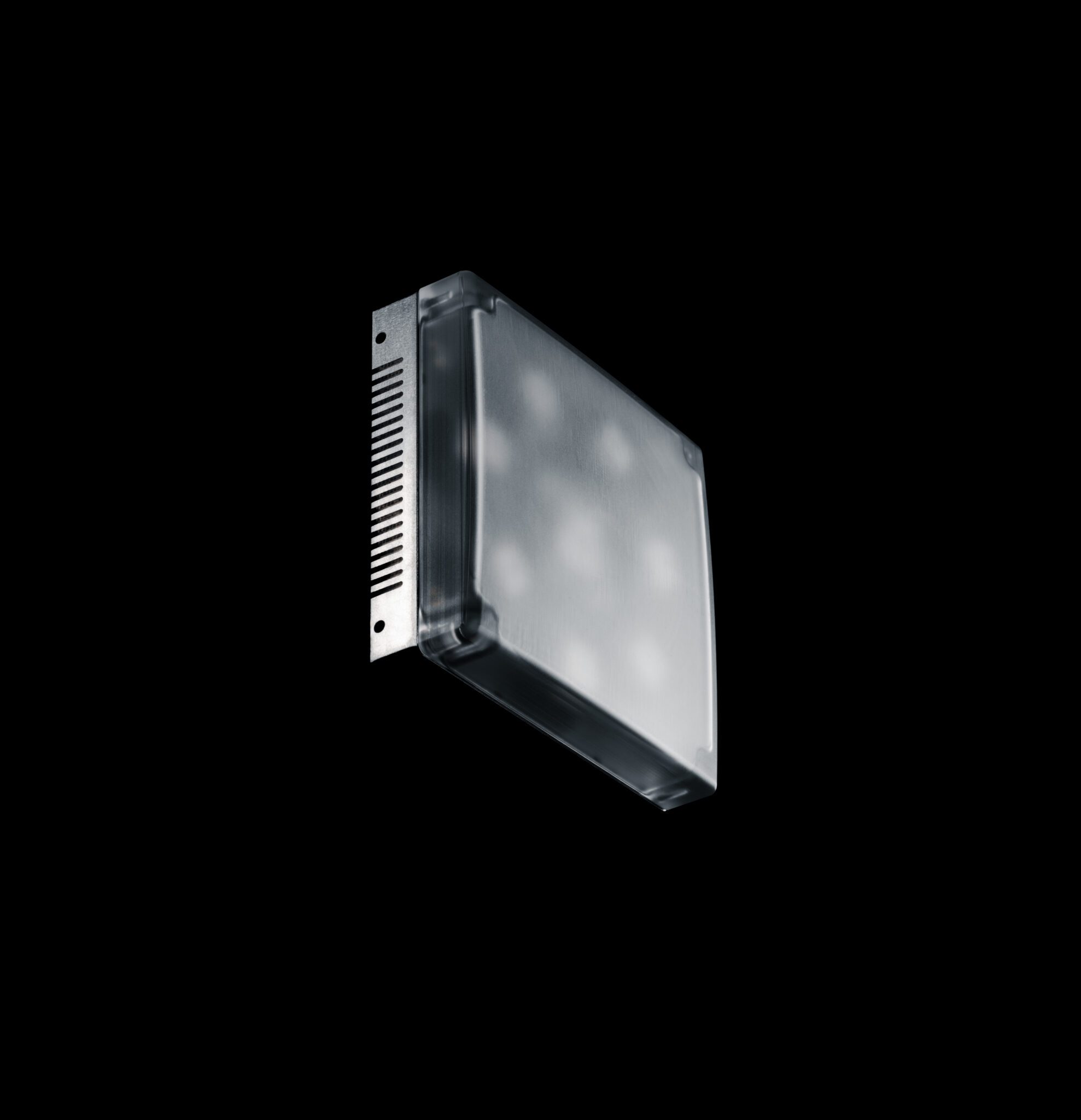
Nav-Sync Armour
CRPA-8 antenna specifically designed to support the proliferation of autonomous platforms across multiple operational areas.
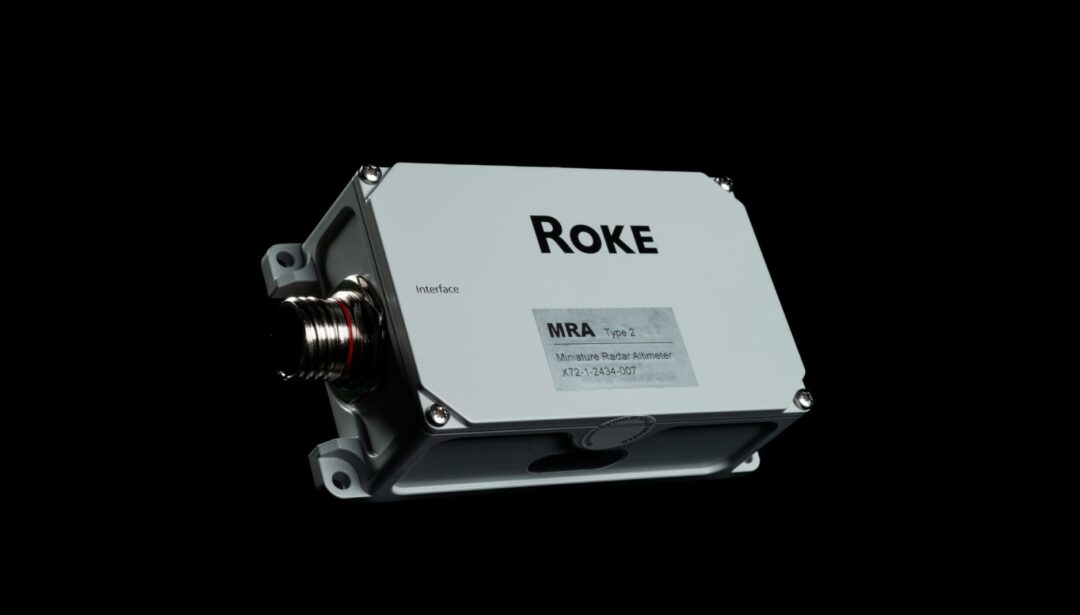
Nav-Sync MRA
Smallest, lightest altimeter in its class, providing precise height measurements for aircraft operations even in challenging conditions.
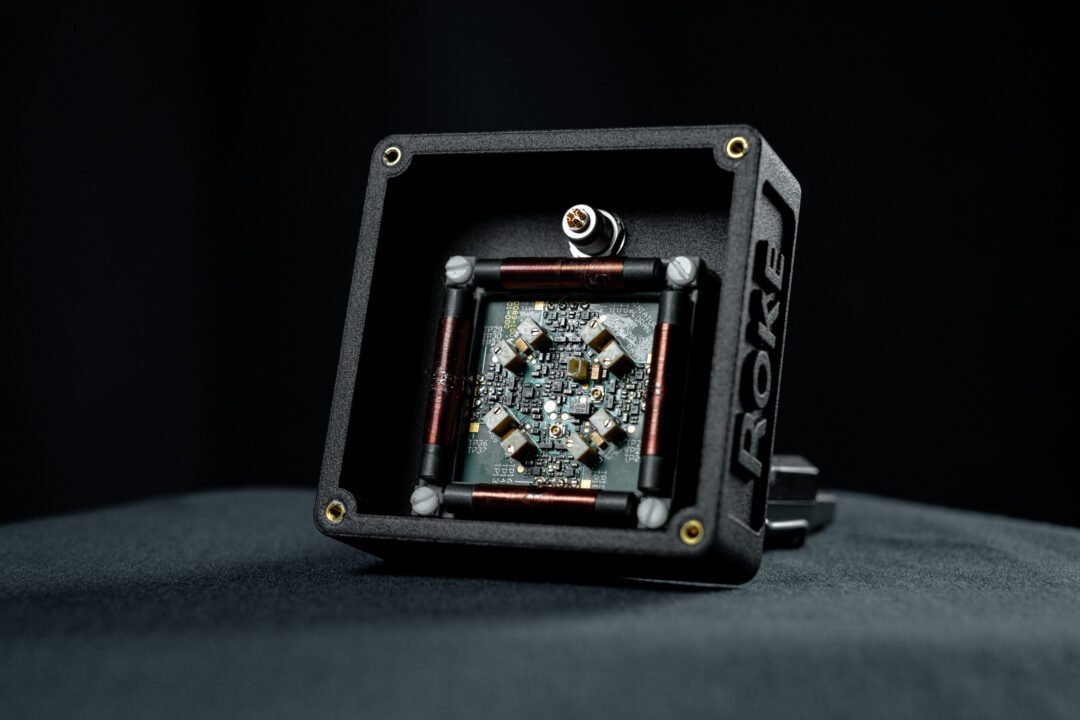
Nav-Sync Pulse
Achieve terrestrial positioning resilience through ground-based transmitters rather than vulnerable satellites.
KEY TAKEAWAYS
A single decibel figure does not reflect real-world GNSS protection performance or threat complexity. Effective CRPA selection depends on understanding operational context, threat types, and system trade-offs.