Mission Operations
The side that senses, understands, decides and acts fastest wins, and the window for doing it has shrunk from hours to minutes. Roke is the British technology integrator for defence and national security. Our mission operations technology and services turn data into decisions and decisions into effect, in the UK and internationally, at the pace the mission needs.
Decision superiority.
The threat to a modern force is the loss of information and decision superiority. Adversaries are exploiting overwhelming volumes of data, fragmented systems, contested communications, cyber attacks, Electromagnetic Warfare (EW), disinformation, and conventional force.
The harder problem is often internal. Organisations hold more information than they can analyse, and the sensors, intelligence systems and command systems that should feed each other were never built to.
The threat is moving because the technology behind it is cheap and available. AI, autonomy, commercial sensors and open-source intelligence have lowered the barrier for state and non-state actors alike, so adversaries now operate at machine speed across several domains at once.

We see the next threat to decision-making.
Our engineers work alongside operational users every day, so emerging threats reach us as patterns, long before they reach a requirements document. We combine three things. Intelligence and analytics that read hostile intent and geopolitical risk. Research and horizon scanning that track the technologies an adversary could exploit. Vulnerability research into the software, hardware and networks where the next attack will land.
Then we test. We experiment in representative operational environments, so an emerging threat or a new technology is proven or discarded before a customer has to ask about it.
Systems that compress sense, decide and effect.
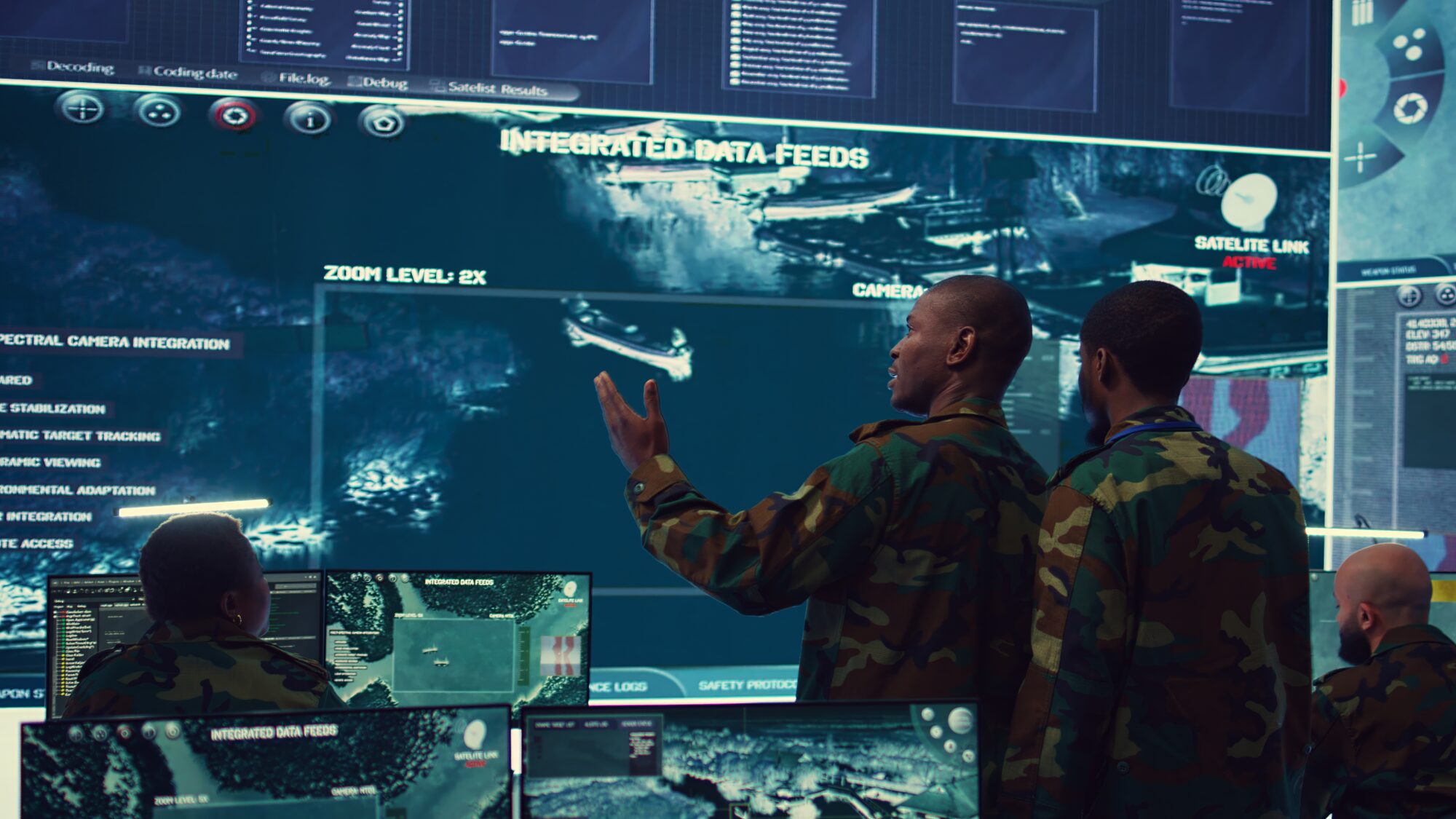
We build mission systems that connect sensors, data, command systems and effectors into one working chain, so a commander can sense, decide and act inside the adversary’s timeline. We deliver technology and services together, and we deliver them at the tempo operations demand.
Integration without constraint.
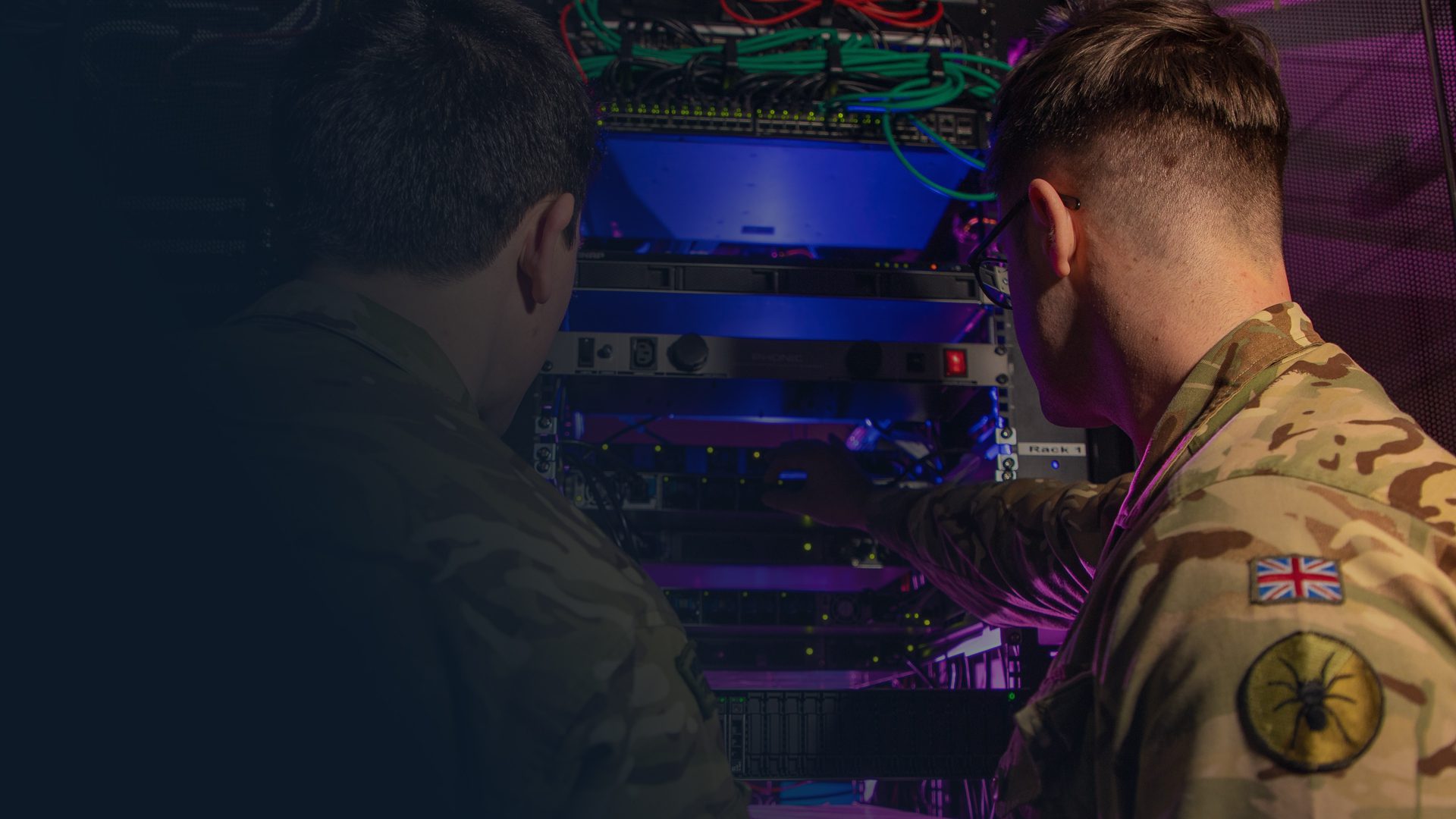
Our architectures are open and modular by design, which means a new sensor, a new AI model or a new effector can be added as the threat changes, without rebuilding the system around it. We integrate the kit our customers already field, we build from scratch where nothing fits, and we connect across land, sea, air, space and cyber and with allies. Our customers keep their freedom to choose what comes next.

The digital backbone for Land ISTAR.
For the British Army we created and matured a digital intelligence, surveillance, target acquisition and reconnaissance backbone that connects sensors, data, command systems and effectors, before many of the Army’s wider digital programmes had matured. Through iterative delivery and operational experimentation, we moved it from concept to operational deployment, and we keep shipping software between exercises, because operator feedback arrives faster than any release schedule.
Command and control for counter-UAS.
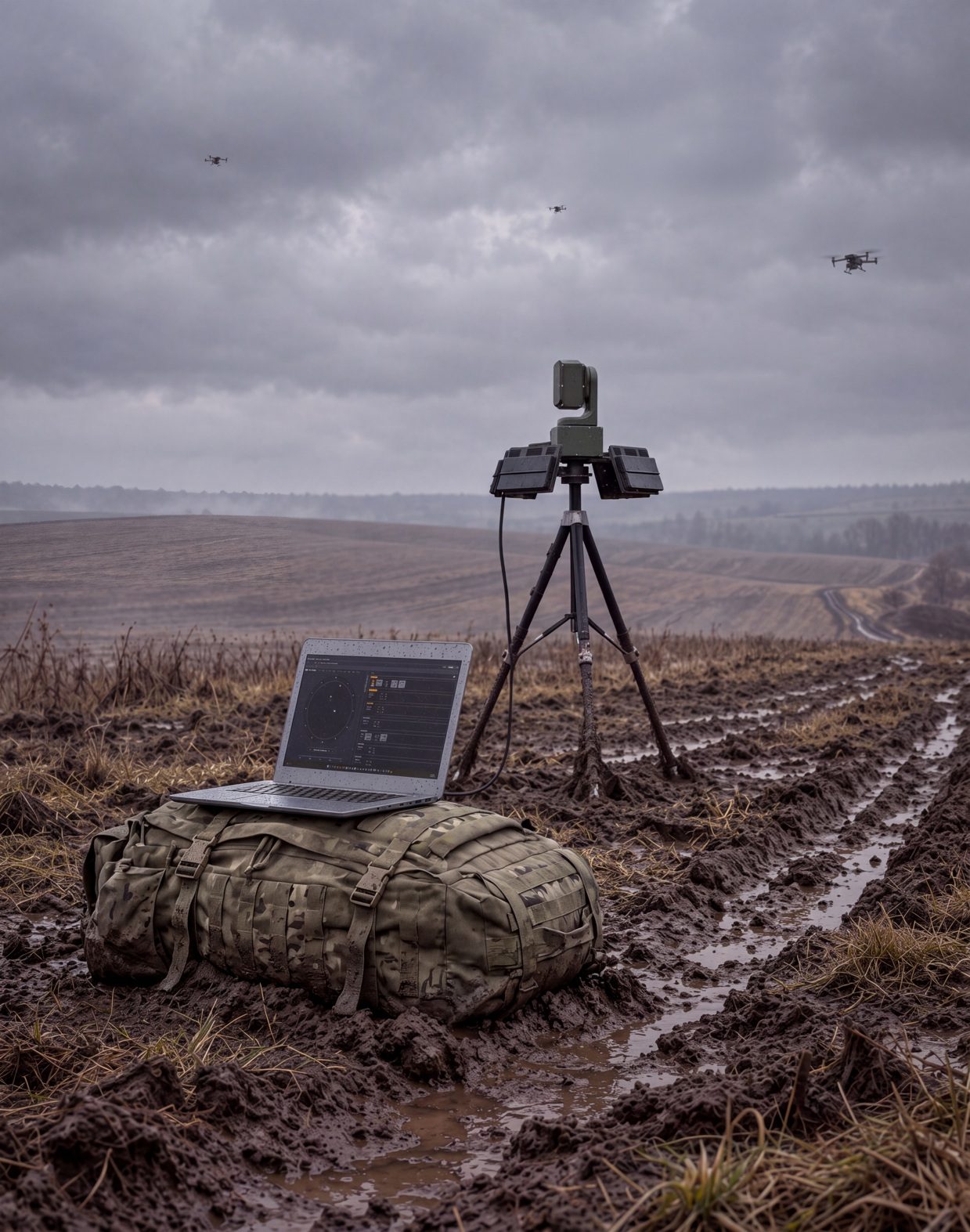
Our command and control software fuses sensor feeds into a common operating picture and gives operators the decision support to act on it. Because it is composable, counter-drone sensors and effectors can be swapped in as the threat changes, which is how our customers keep pace with a threat that evolves in months.

AI-enabled intelligence.
We applied AI, machine learning and data fusion to intelligence and decision-support workflows before they became standard requirements. Today that means tools that read geopolitical risk and hostile intent from open sources, understand influence operations and disinformation, and help investigators reach victims faster by finding what no human team could find in time.
We stay with the mission.
A mission system is only proven in use, so we embed alongside operational users and stay there. We understand the mission before we propose technology, design alongside the people who will use it, deliver iteratively, and keep the feedback loop open after deployment. When an exercise shows a gap, the fix ships during the exercise.
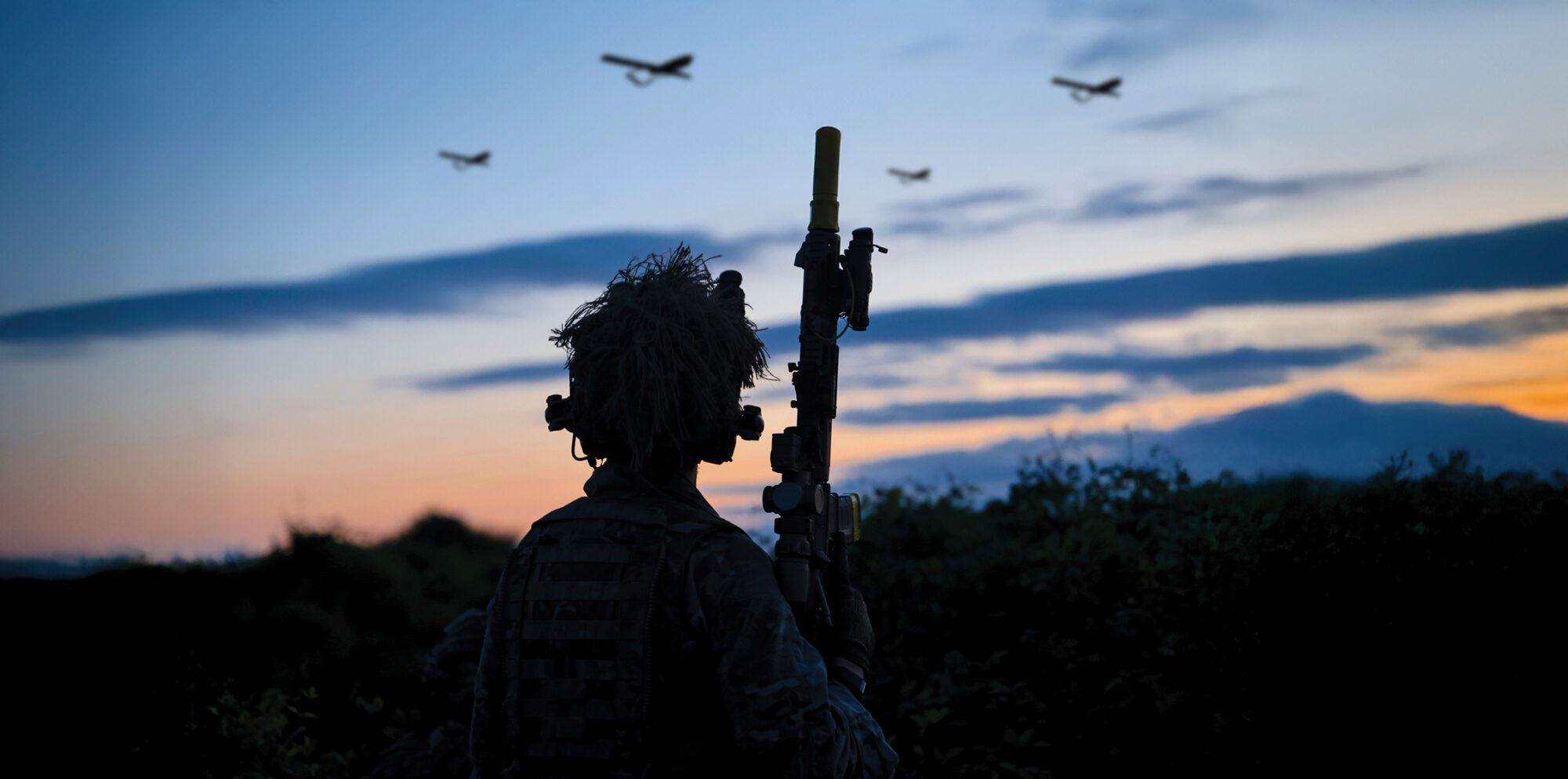
Get in touch to stay ahead of the threat.
Tell us about the sensors you need connected, the decisions that arrive too late, or the system that cannot take the next upgrade. We will connect you with the engineers who do this work.
Counter-UAS: Building an Open Effector Ecosystem for Decisive Operations
Drone threats are evolving faster than any single technology can counter them. Open, interoperable Counter-UAS ecosystems are now essential for rapid adaptation and effective response. Discover how integrating sensors, decision support and a growing range of effectors can deliver decisive operational advantage.

MISSION OPERATIONS FAQs
Mission operations is one of Roke’s four capabilities. It covers the mission systems, command and control software, AI-enabled intelligence tools and integration services that turn data into decisions and decisions into effect, for defence and national security customers in the UK and internationally.
The sense-decide-effect cycle is the chain from a sensor detecting something, through commanders understanding and deciding, to an effector acting on it. Compressing that cycle is how a force decides faster than its adversary. Roke builds the systems that connect each link.
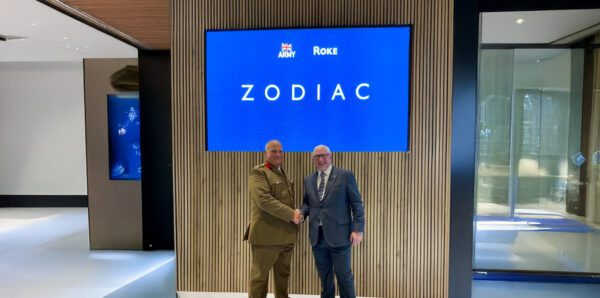
Project ZODIAC is the core of the British Army’s Land ISTAR programme. It is a digital backbone that ingests data from battlefield sensors and allied intelligence feeds, fuses and analyses it, and distributes the result to the people who need it. Roke has been prime contractor since the alpha phase in 2021.
A command and control system gives commanders a shared picture of the situation and the tools to direct action on it. Roke’s CORTEXA COMMAND is an open, modular C2 system built for counter-UAS and wider force protection, fusing sensor feeds into a common operating picture with decision support.
We use AI, machine learning and data fusion to find patterns no human team could find in time. That includes hostile intent and geopolitical risk in open-source data, influence operations and disinformation, and material that national security investigators must find quickly. We apply it with proportionate rigour, so the operator can trust the output.
Yes. Integration is the heart of this capability. We build on open standards and modular architectures so existing sensors, command systems and effectors can be connected, and new ones added, without replacing what already works. Our customers keep their freedom of action.
Yes. The systems we build for the British Army are designed to work across land, sea, air, space and cyber and with allies, and ZODIAC has been exercised in multinational command posts and on US-led exercises. Interoperability is a design requirement for everything we deliver.
Operational technology and resilient PNT gather intelligence at the forward edge and keep platforms navigating. Cyber and secure communications keep the networks that carry it protected. Electromagnetic Warfare (EW) senses and shapes the spectrum. Mission operations is where the data from all of them becomes a decision and an effect.