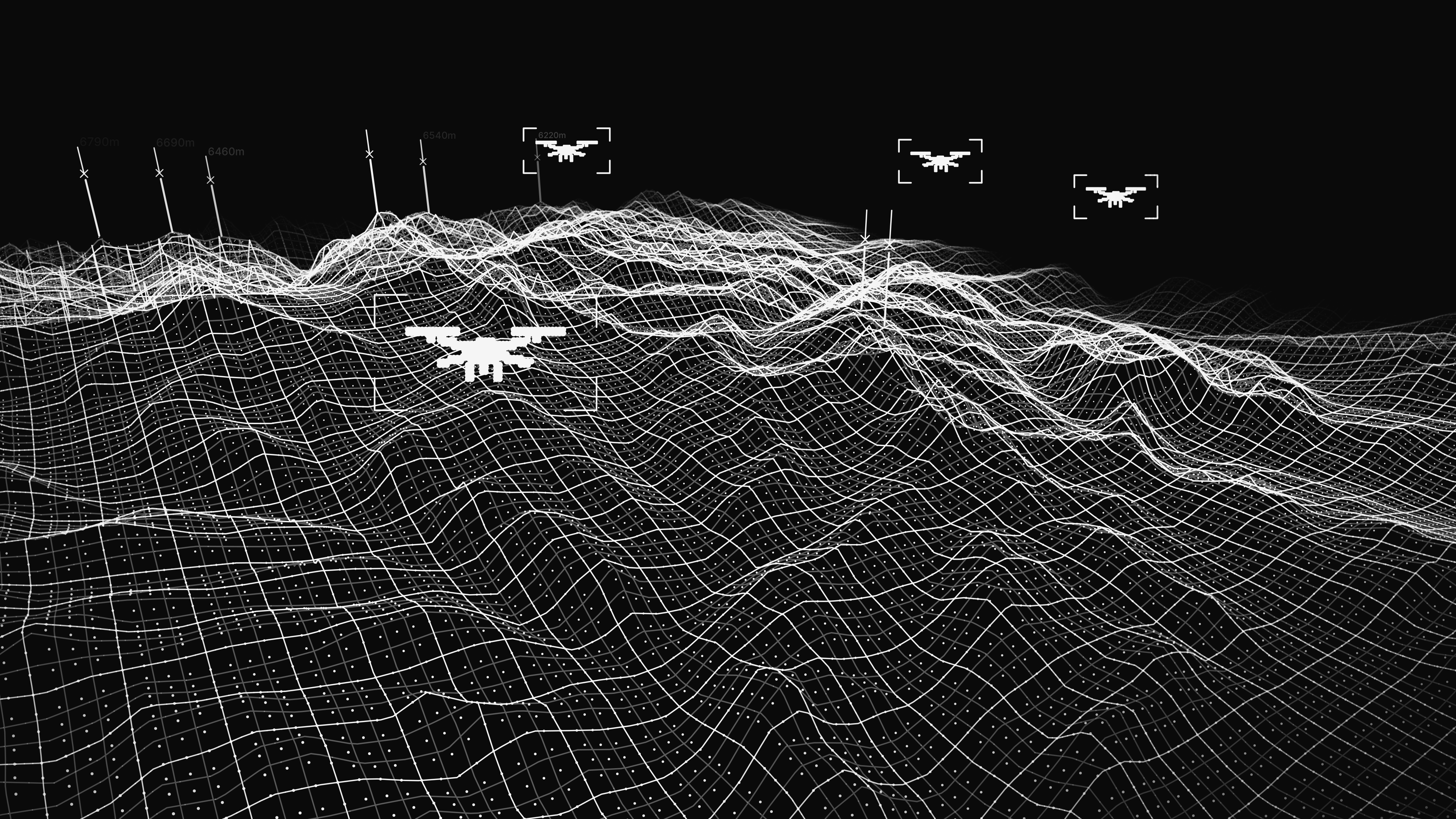
Operational Technology and Resilient PNT
Every operator now carries sensors, and every one of them depends on a satellite signal that can be jammed. Roke is the British technology integrator for defence and national security. Our operational technology and resilient Positioning, Navigation and Timing (PNT) give our customers the data to decide and the position to act, in the UK and internationally.
The signal matters.
The information a decision depends on has become more critical, more connected and faster-moving than at any point in seven decades of our work. Today’s soldier is part of the sensor network. Alongside wearable technology, they deploy sensors, launch drones and gather data from across the battlespace. Every sensor must be trusted, every signal understood, and the time available to turn information into action keeps shrinking.
Adversaries understand cameras, radars and the sensors ranged against them, so they are harder to find and the question becomes what can still be measured. Meanwhile, small, cheap uncrewed aircraft threaten critical infrastructure such as prisons, power stations, police operations and front-line units alike.
Beneath all of it sits position, navigation and timing. GNSS signals are weak by the time they reach the ground, and they are now jammed and spoofed as a matter of routine. Loss of PNT sits on the UK’s national risk register because timing runs the networks, the payment systems and the call you are on.

We sit at the edge of operational technology.
Our engineers sit alongside our customers in defence and national security, so we see the threat change before the requirement does. We have spent four decades on resilient navigation, which is why our answer was ready when GNSS interference became routine. We started on counter-drone technology years before the market caught up, and we invested our own money to do it.
Anticipation in this capability is a question we keep asking: what can we still measure, and how fast can we turn it into something a commander or an investigator can act on. The answer changes with every sensor the adversary learns to avoid, so we keep asking it.

Our approach to Operational Technology and RPNT
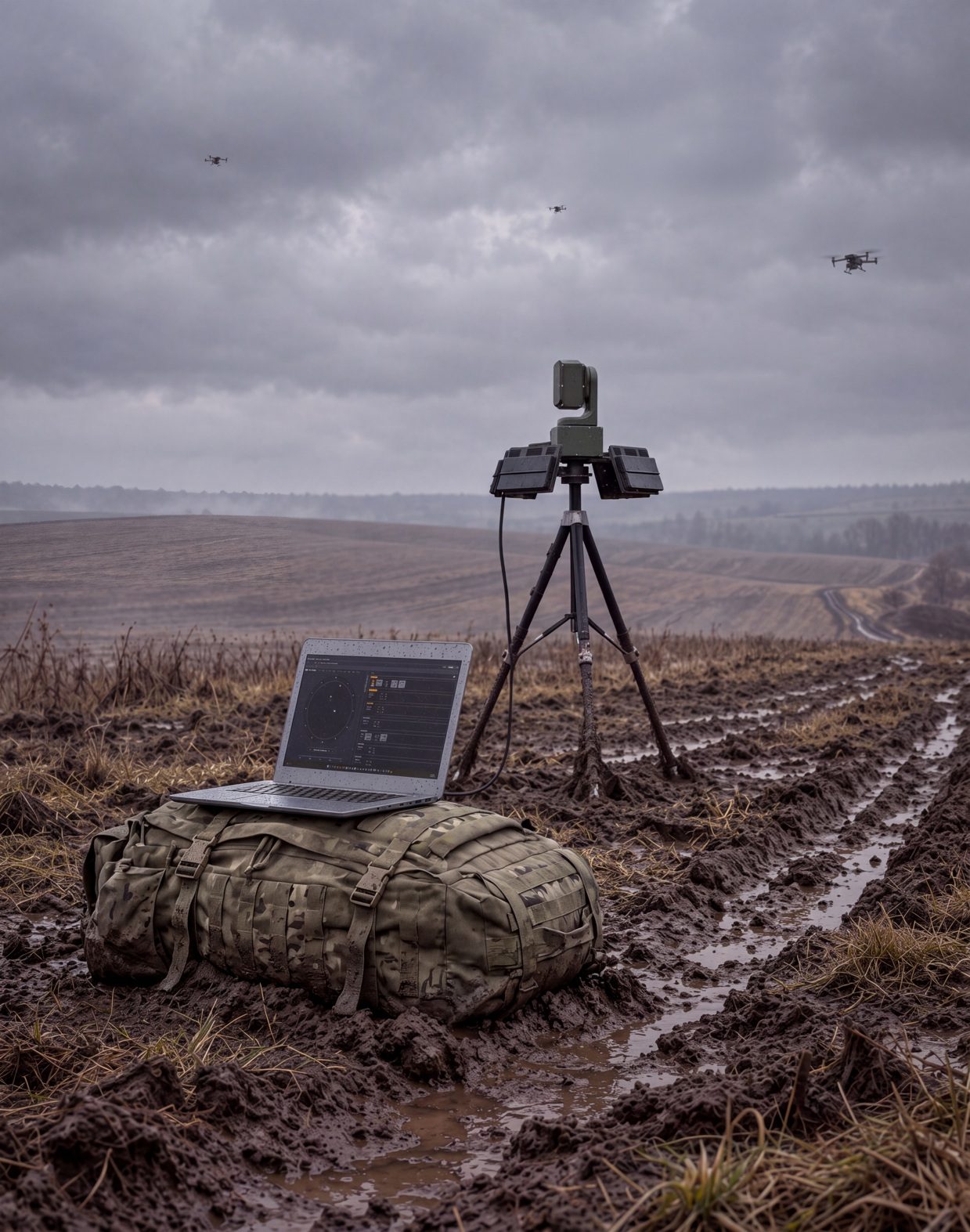
Deployable systems, built to be trusted.
Operational technology is the deployable systems that turns the physical world into data. It senses, monitors and controls the environment and the threat inside it, so the people using it have situational awareness and the advantage to decide first. Resilient PNT is the layer underneath that keeps position, navigation and timing working when GNSS is denied.
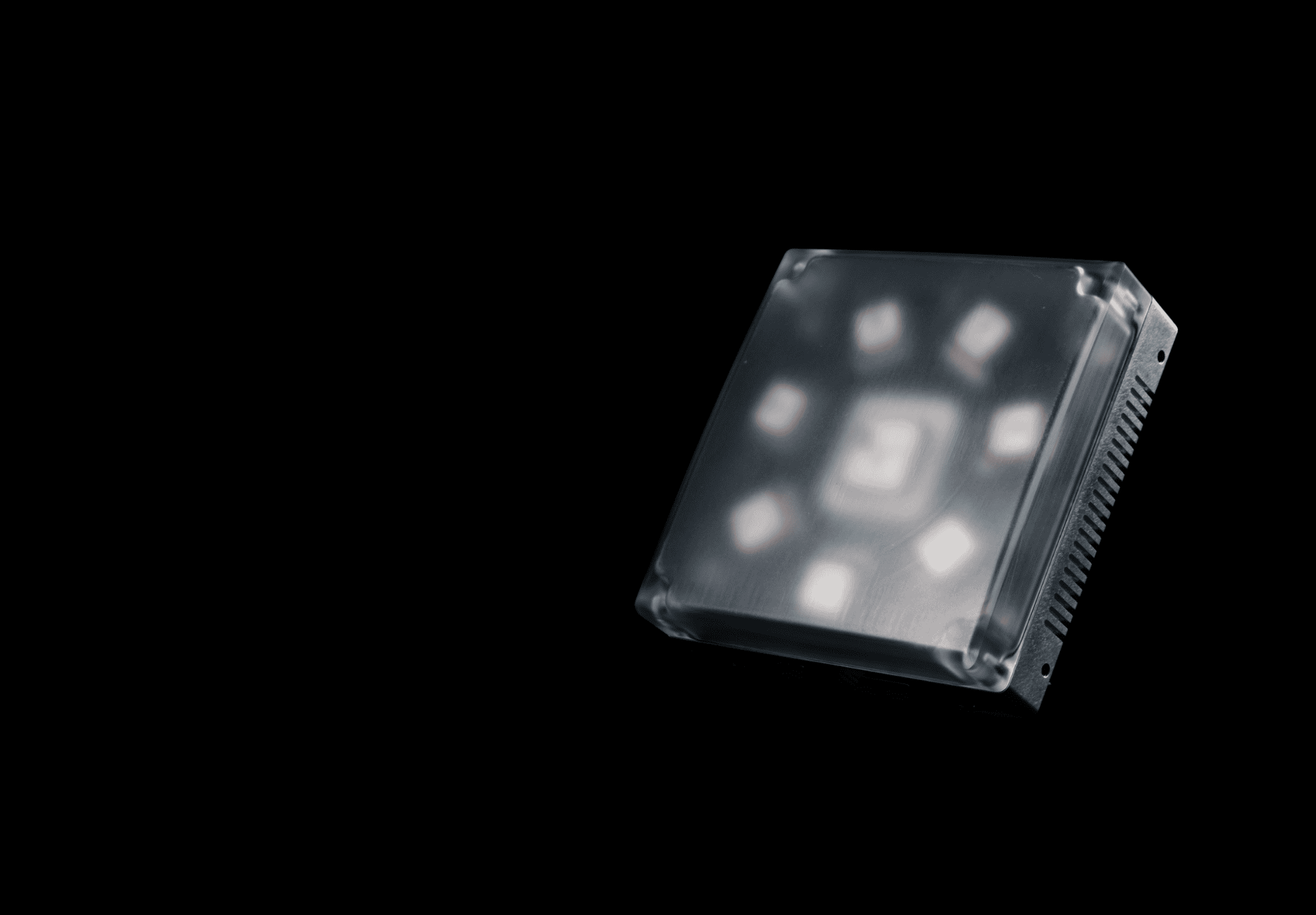
Sensing at the forward edge.
We design and manufacture systems that detect, track and identify what matters, from uncrewed aircraft to the source of incoming fire, and we integrate them into a single picture an operator can act on. We work with the kit our customers already carry, including commercial and military off-the-shelf technology, and we build our own where nothing else will do. The point is the same either way: more intelligence from what is already in the field, assured well enough to trust.
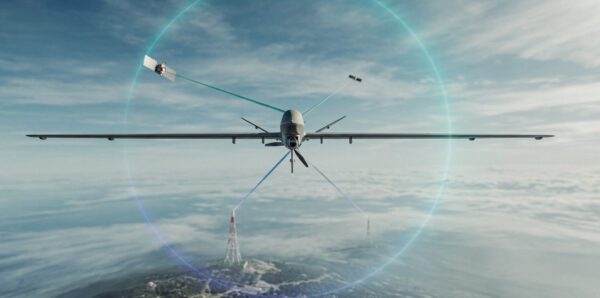
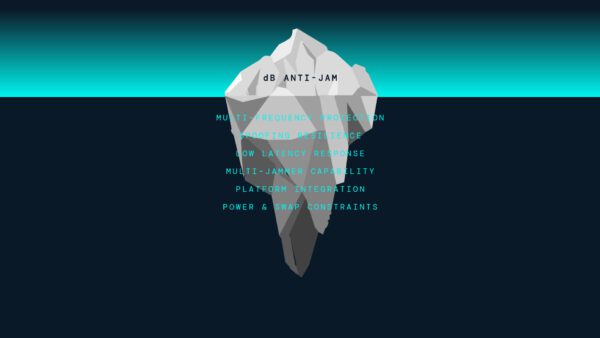
Our resilient PNT portfolio is layered, because no single signal should be a single point of failure. We protect the GNSS signal with anti-jam antennas and we provide an alternative when the signal is gone. For decades that protection was reserved for the most expensive platforms. We changed that.
We develop at pace and we apply proportionate rigour to everything we field, so the operator gets a device that is as safe and secure as it is capable. Seventy years of building for defence and national security taught us how to do both, and we stay to support, train and adapt what we deliver for as long as it serves.
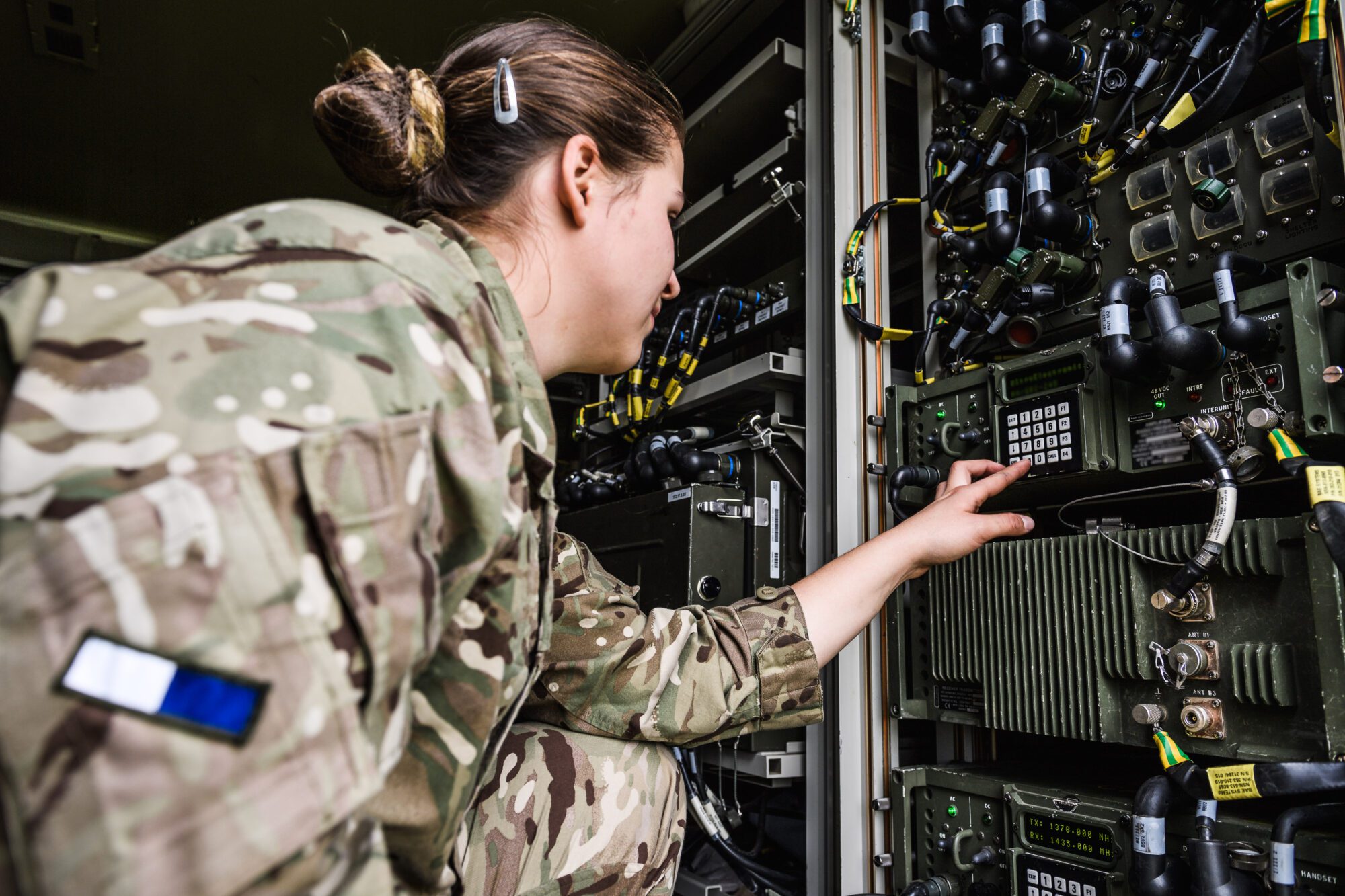
We stay until the mission is served.
The threat to sensors and signals moves every month, so our teams stay with the kit after delivery. We integrate it with the systems our customers already run, support it through life and upgrade it as the threat changes. That is how a counter-drone system can take new sensors while the operator’s screen stays the same. Our customers keep control of their platforms and their data, and they keep the engineers who built the capability within reach.
Already in the Field


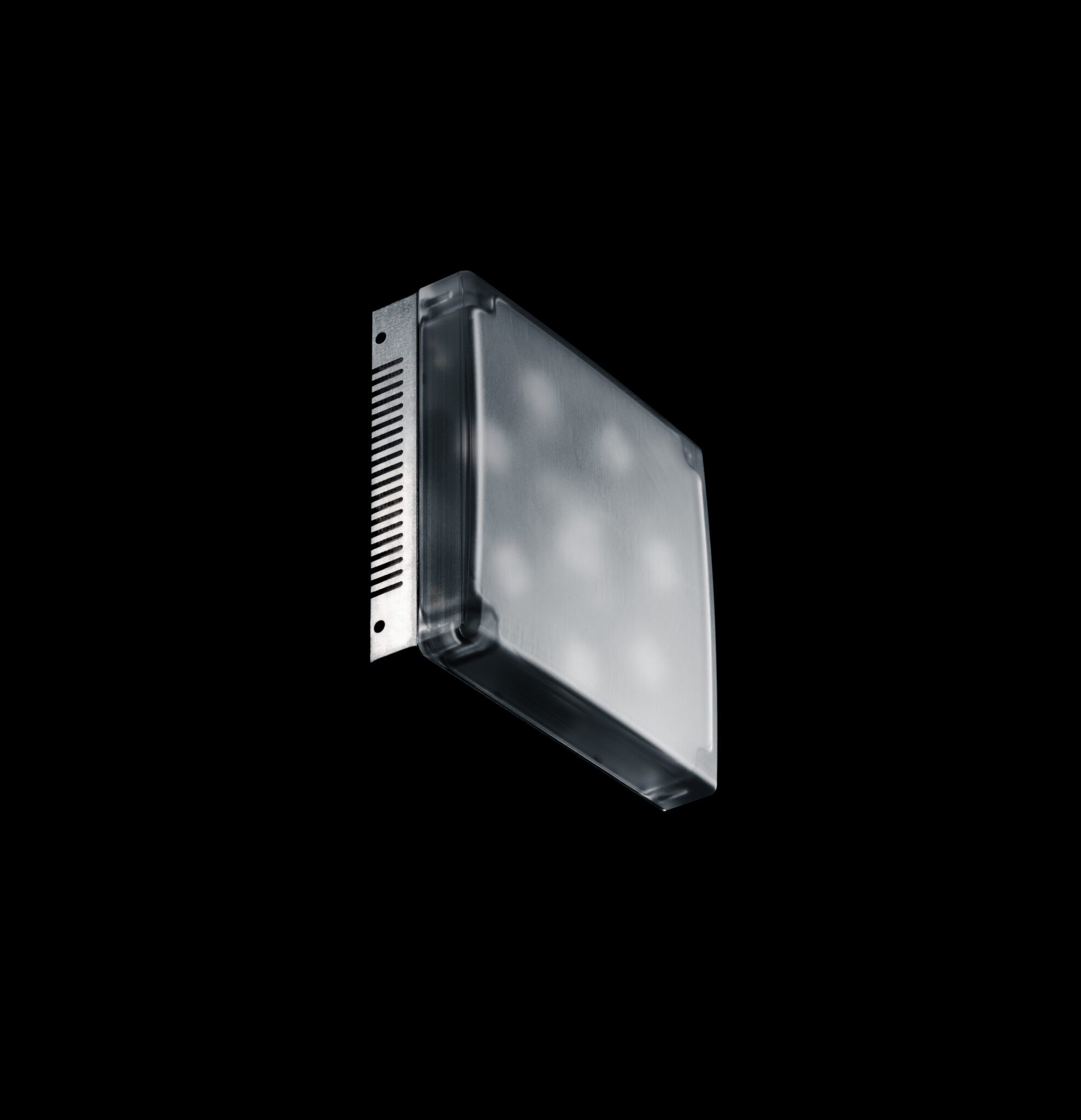
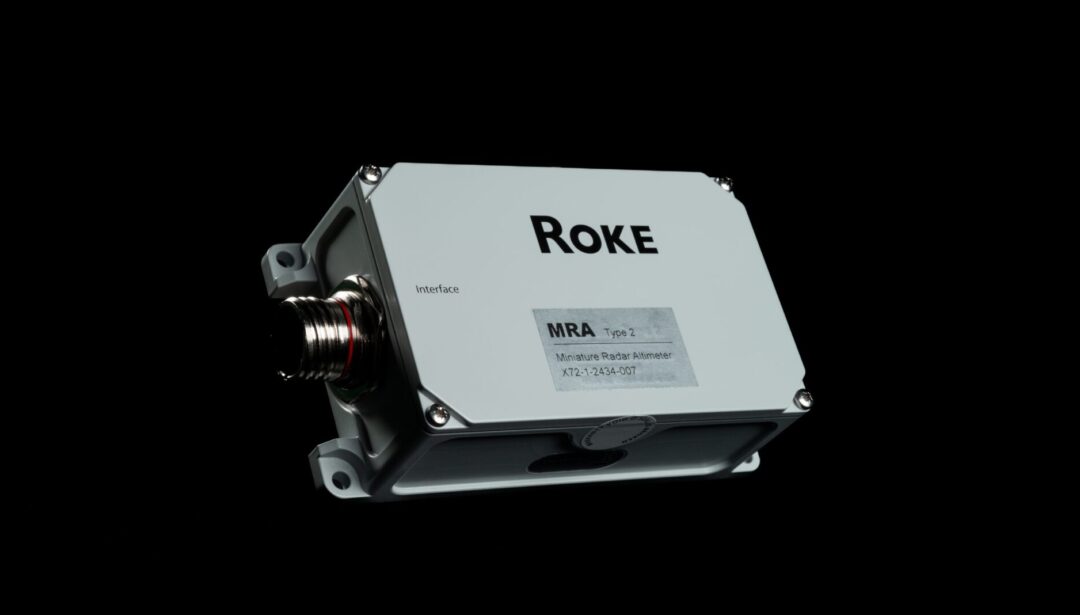
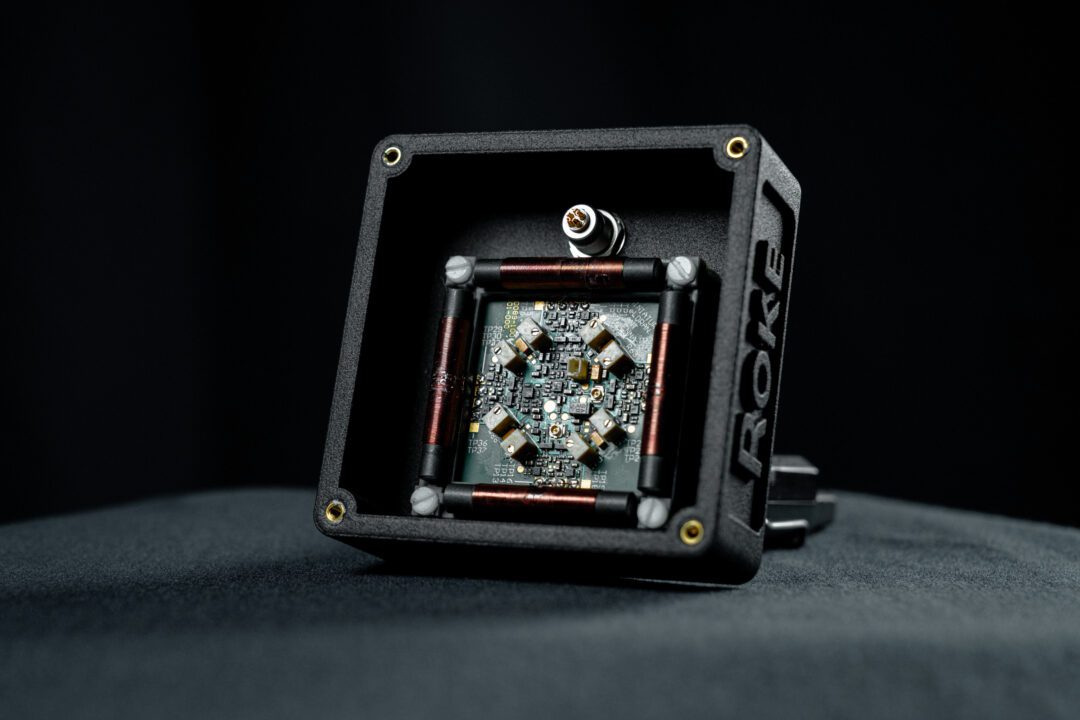
Get in touch to stay ahead of the threat.
Tell us about the platform you need to protect and the threat you need to detect. We will connect you with the right engineers, or the right product team.
Read our OpTech & RPNT insights

Operational Technology and Resilient PNT FAQs
PNT is the set of signals and systems that tell a platform or a person where they are, where they are going and what time it is. GNSS, including GPS, provides most of it today. Timing in particular underpins telecoms, power, finance and transport, which is why loss of PNT is on the UK’s national risk register.
Resilient PNT keeps position, navigation and timing working when GNSS is jammed, spoofed or unavailable. Roke takes a layered approach: protecting the GNSS signal with anti-jam antennas, providing an alternative such as eLoran, and adding sensors such as radar altimeters. A platform can then navigate when the satellite signal is gone.
Operational technology is deployable equipment that turns the physical environment into data: sensors and systems that detect, track, identify and control, so the people using them gain situational awareness and decide faster. At Roke it covers counter-UAS, acoustic and electromagnetic sensing, and the tactical devices operators carry, built for defence and national security customers.
Enhanced Long-Range Navigation (eLoran) is a ground-based, low-frequency positioning and timing system that is far harder to jam than satellite signals and works when GNSS is denied. Roke has four decades of eLoran experience and supplies Nav-Sync Pulse, the world’s smallest eLoran antenna and receiver, comparable to a matchbox, to the UK’s national PNT resilience programme.
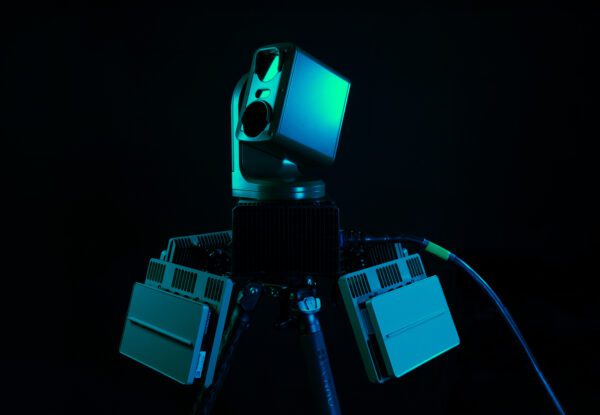
Counter-UAS is the detection, tracking, identification and defeat of uncrewed aircraft. Front-line units need it, and so do prisons, power stations, airports and police forces facing small, low cost drones. Roke’s Cortexa Guardian was designed so that any trained soldier or operator can run it, with no specialist team required.
Operational technology and resilient PNT gather intelligence at the edge and keep platforms navigating and timed. Mission Operations takes that data and turns it into decisions and effect across the force. The two are designed to work together, which is why Roke builds both.
Yes. GNSS interference now disrupts shipping, aviation, telecoms and finance as readily as military operations, and the protection built for defence is now affordable for civilian systems. Roke supplies resilient PNT technology to defence, national security, government and commercial customers, including the UK’s national PNT resilience programme.