The counter-UAS threat landscape is moving too quickly for static, closed or single-vendor solutions.
Drone technology is becoming cheaper, faster, more autonomous and more accessible. In Ukraine and elsewhere, tactics, techniques and procedures (TTPs) are shifting rapidly, forcing defence organisations to adapt at a pace that traditional procurement and system architectures were not designed to support.
Roke’s recommended approach to C-UAS has already made the case for modular, scalable, flexible systems that can evolve as the threat changes. That same logic applies to the standards that sit underneath C-UAS capability. If the future of defence depends on layered systems, rapid integration and lower operator burden, then those systems need a common language.
This is where SAPIENT matters.
WHAT IS SAPIENT?
SAPIENT is an open standard developed by the Defence Science and Technology Laboratory (Dstl) for autonomous sensor connectivity and tasking in C-UAS and related defence environments, and NATO has moved to adopt it as a C-UAS standard following trials in 2022.
Open standards help move C-UAS away from proprietary architectures that limit flexibility and slow down innovation. They support a more vendor-neutral approach, where the best available sensor or subsystem can be integrated based on operational need rather than legacy procurement decisions. They also make it easier to build layered defence, where multiple capabilities work together to detect, track, identify and respond to threats at speed.
One of SAPIENT’s defining features is that it operates at the information level rather than streaming raw sensor data. Edge nodes, comprised of sensors and effectors such as radars, RF detectors, jammers and cameras, process their own data locally and report processed information to a fusion node. This reduces bandwidth requirements and means the fusion node does not need to understand the internal workings of every connected device.
Secondly, SAPIENT’s architecture is hierarchical, which means a small local defence setup can automatically feed its information into a bigger base or border security system without needing to be rebuilt. This layered approach can improve how military organisations work by making it much easier to scale up counter-drone protection and leverage innovation from smaller vendors rather depending on major suppliers.
In practice, this lets different components work together more easily, whatever the mix of radars, cameras, command-and-control systems or effectors. For defence users, this is a strategic advantage.
A BUILDING BLOCK, NOT A COMPLETE SOLUTION
SAPIENT is an interoperability framework built around a common communication and data-exchange standard. It is not, by itself, a fusion engine, a decision-making system or a complete command and control (C2) solution. Those capabilities sit on top of SAPIENT, built by integrators and suppliers, which is where the real engineering effort and differentiation happens. No architectural decision comes without compromise, and understanding the trade-offs is essential to making the right deployment decisions.
The case for SAPIENT is strong: it enables scalability, allowing systems to grow as the threat evolves, and future-proofs investment by avoiding dependence on any single vendor’s roadmap. Many counter-drone technology vendors are starting to standardise SAPIENT, as a result of the NATO adoption and the resulting ecosystem will make it easier to integrate the most capable sensor or effector available rather than being limited by compatibility. SAPIENT also functions well in environments where communications are disrupted or unreliable, as its bandwidth requirements are relatively low.
On the other hand, SAPIENT does have constraints. It can simplify integration at the sensor layer, but often at the cost of a more complex C2 or data-fusion layer. Meanwhile, many counter-drone companies say they support open systems but make it difficult and expensive to connect equipment from different manufacturers. The problem isn’t that these systems are completely closed off, it’s that making them work together costs more, and that extra cost hits hardest in the C2 systems rather than at the sensors themselves.
Every deployment involves a decision on where to invest time and resources, and this is where a trusted advisor matters. Understanding how and where SAPIENT delivers value in real deployments – and where the complexity lies - requires direct experience of both shaping the standard and implementing it.
ROKE SHAPES AND DELIVERS SAPIENT
Roke’s relationship with SAPIENT goes deeper than simple compliance. Developed through a sustained collaboration between Dstl and industry, the standard has benefited from Roke’s active involvement from early concept and development through to practical implementation and operational deployment.
This dual perspective of helping to shape the standard while also delivering it in real-world systems gives Roke a deep, practical understanding of how SAPIENT performs in demanding C-UAS environments. It is an insight grounded not just in theory, but in hands-on experience of designing, integrating and deploying SAPIENT-enabled capabilities.
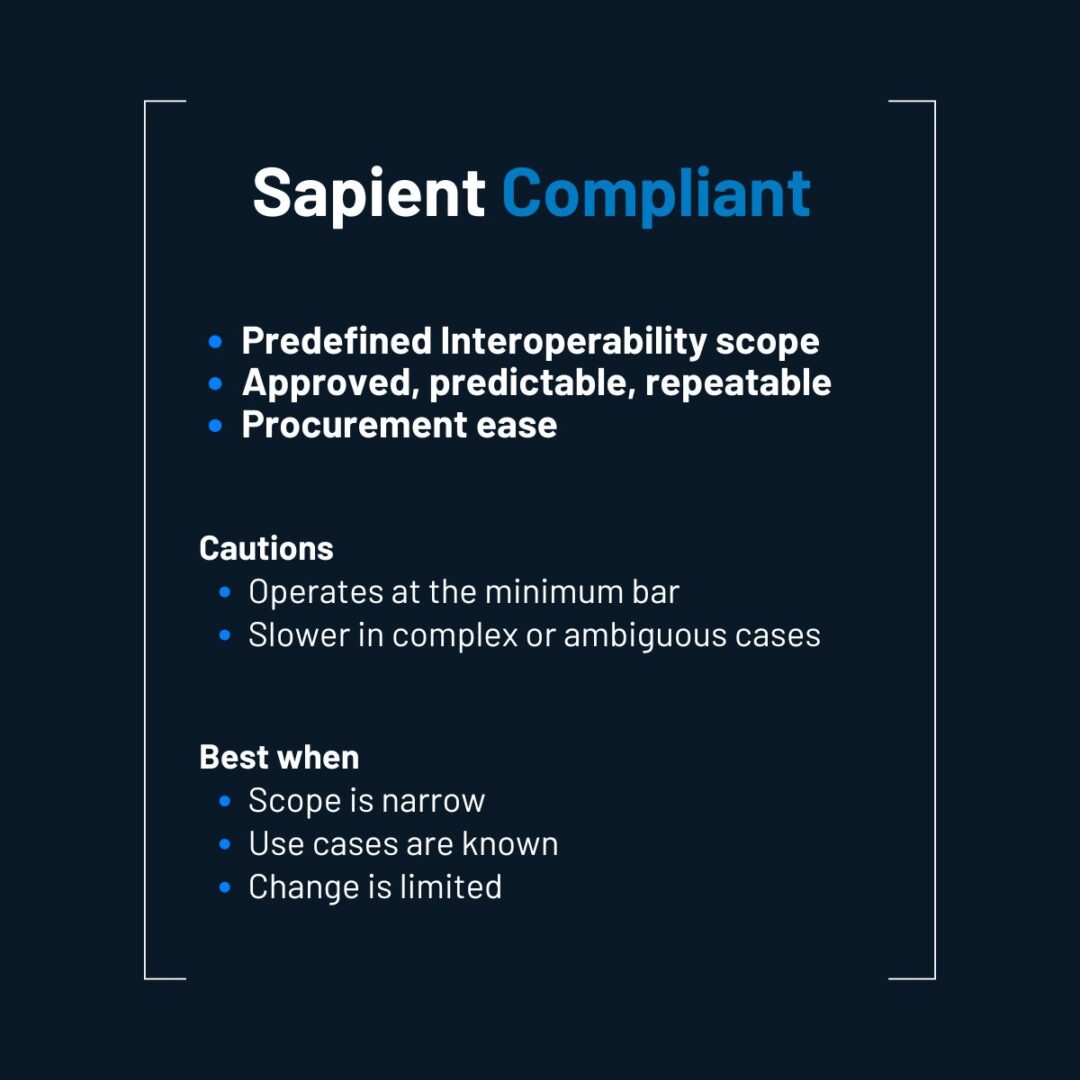
That distinction matters when applying standards to systems. Being SAPIENT-compliant means a system can meet the requirements of the standard; it can speak the language.
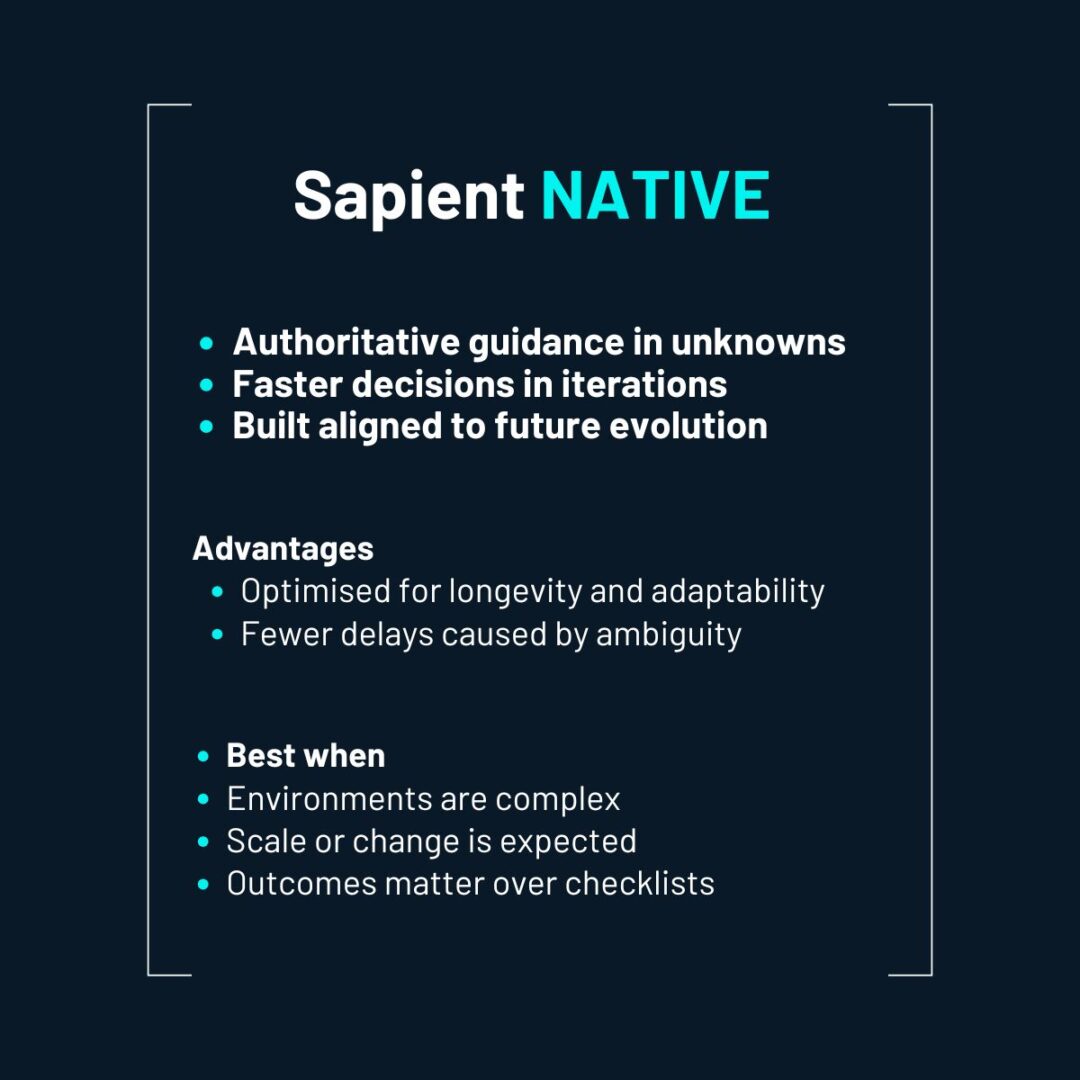
But being SAPIENT-native means the system has been designed around both the architecture and the philosophy of SAPIENT from the outset, enabling asynchronous data flows, multi sensor environments and track evolution. The distinction is key to actively managing a wider SAPIENT ecosystem.
SAPIENT AND CORTEXA GUARDIAN C-UAS
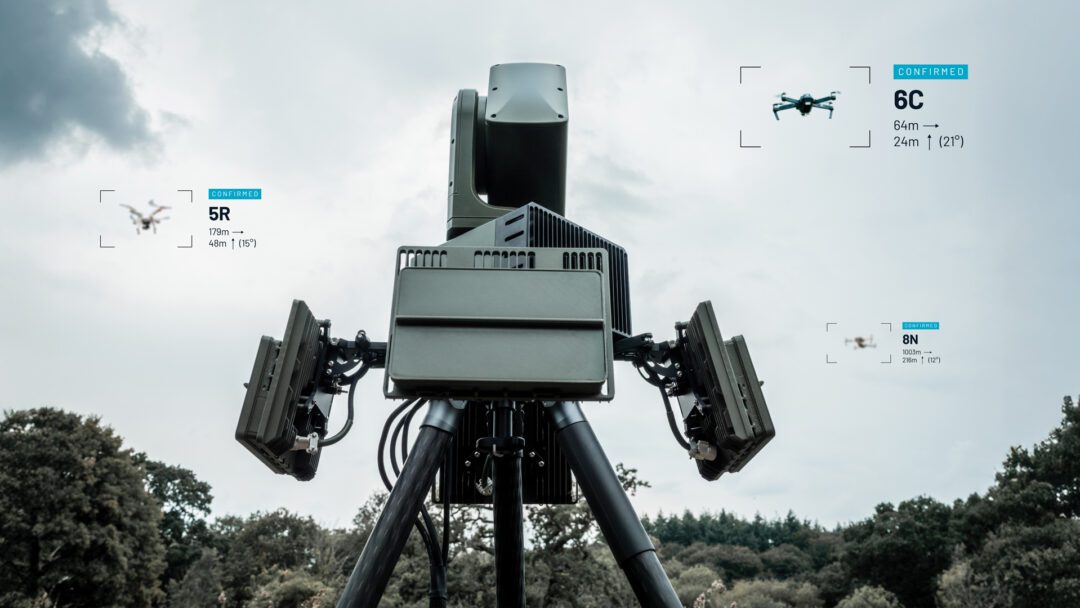
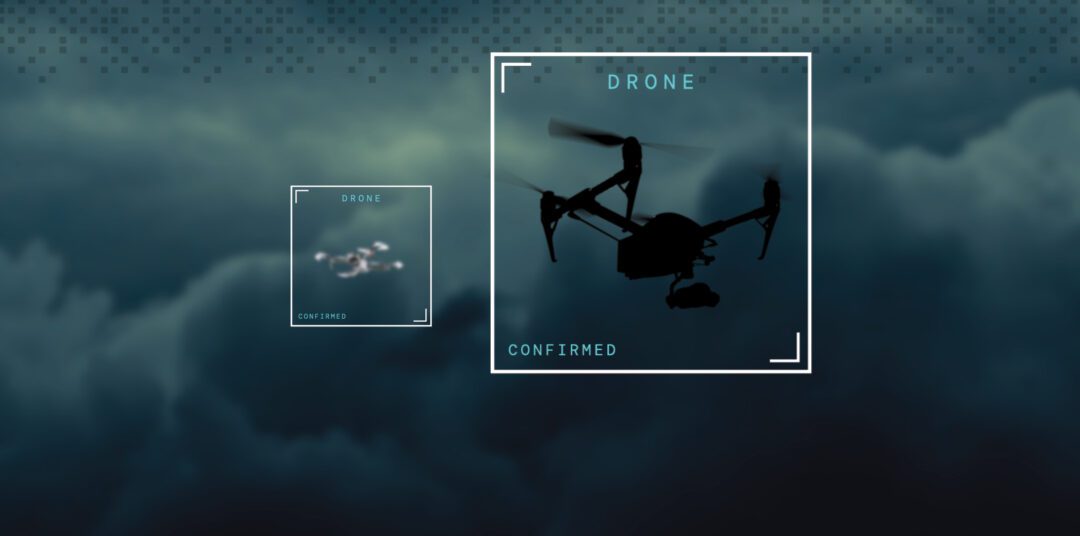
CORTEXA GUARDIAN is an example of that SAPIENT-native approach that is not just connected to the ecosystem but built to operate effectively within it. Developed by Roke, it is a modular sensing capability designed to be used by any user to visually detect, track and identify multiple drones at the same time.
Because SAPIENT standardises messaging between edge nodes, CORTEXA GUARDIAN can combine radar and camera feeds into a single operational picture, rather than presenting separate sensor outputs that the operator has to manually reconcile. This helps reduce operator workload by simplifying interpretation, reducing the need for manual correlation, and filtering alerts by priority.
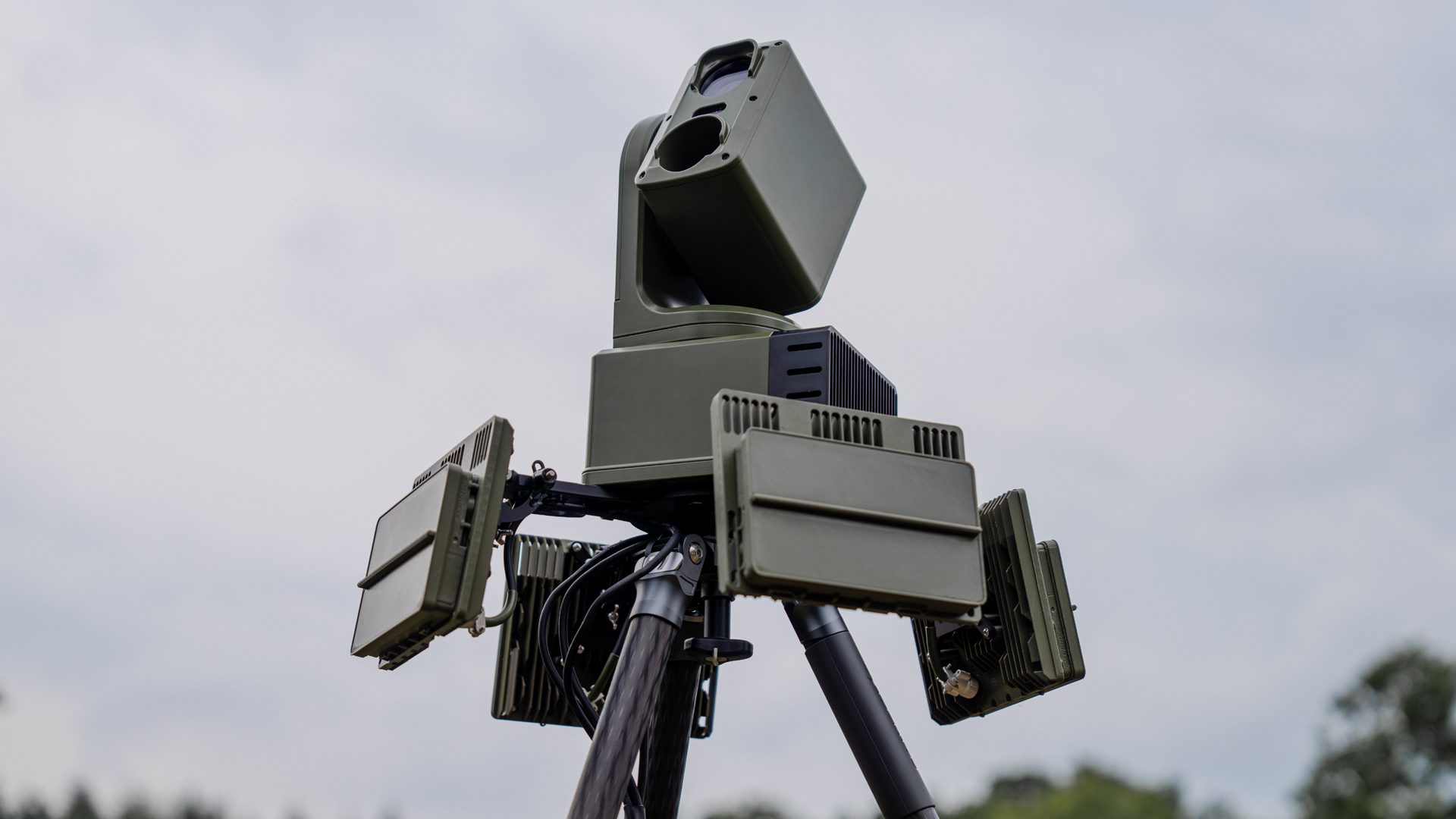
Its SAPIENT-native design supports this in two ways:
- First, it allows modular integration. CORTEXA GUARDIAN has been developed with the flexibility to work with different sensors, including different radar systems, because SAPIENT provides a common framework for connectivity. That makes it easier to adapt the system as the threat changes or as better technologies become available.
- Second, it reflects the autonomy-focused philosophy behind SAPIENT. Sensors can make local decisions, such as detecting, localising and tracking a target, without waiting for operator intervention at every step. Rather than relying on constant manual tasking, the system is designed to operate with a high degree of autonomy, surfacing meaningful information to operators when it matters. In the context of drone swarms, where speed of decision-making is critical, this is essential.
THE CASE FOR BROADER ADOPTION
The wider C-UAS market will only fully realise these benefits through broader adoption of SAPIENT. The more suppliers embrace open standards, the easier it becomes for defence organisations to build layered, best-of-breed systems. It creates more options for integrators, accelerates innovation and reduces the risk of vendor lock-in.
If the industry is serious about meeting the MOD’s call to innovate at pace, improve collaboration and ensure war readiness, this must change. Open standards like SAPIENT cannot remain optional, they must become the default. That requires a collective shift from industry, defence and partners alike to prioritise interoperability over isolation, and long-term capability over short-term competitive advantage. The future of C-UAS will be built not through standalone solutions, but through layered capabilities that work together as a coherent whole.
This is particularly important as C-UAS architectures evolve. The challenges ahead will not simply be solved by connecting more sensors. They will need to involve managing increasing system complexity across C2, data fusion and processing layers, and doing so as autonomy scales.
Autonomy today is selective and constrained. Systems like CORTEXA GUARDIAN operate with significant autonomy at the sensor and tracking layer, but human oversight is still central to the decision chain. That balance will shift. Autonomous and semi-autonomous systems will take on more of the load, making decisions at the edge and reporting into wider base-protection or border-security systems, supported by SAPIENT’s hierarchical fusion architecture.
STANDARDISING CERTAINTY
The lesson from current conflicts is clear: C-UAS capability cannot afford to stand still. Defence organisations need systems that are open, adaptable and able to integrate new technologies as quickly as adversaries develop and deploy new threats.
We need to design for the future architecture of autonomous, layered, multi-domain C-UAS systems comprised of multi-modal sensors, but adversaries will not wait for us to pause and redesign from scratch. That means we must build layered defence using the best available components today, and connect those components with effective C2 systems that can manage complexity without overwhelming operators.
Operational advantage depends on how data is fused and used. It depends on the fusion, analytics and decision-making autonomy that turn a standardised feed of information into a trusted, actionable picture. Investing in that layer, on top of the SAPIENT foundation, is just as important as adopting the standard itself.
SPEAK TO AN EXPERT
If you would like to find out more about how open architectures, data fusion and integrated Counter-UAS systems can help future-proof defence capability, get in touch with our team today.
CORTEXA GUARDIAN
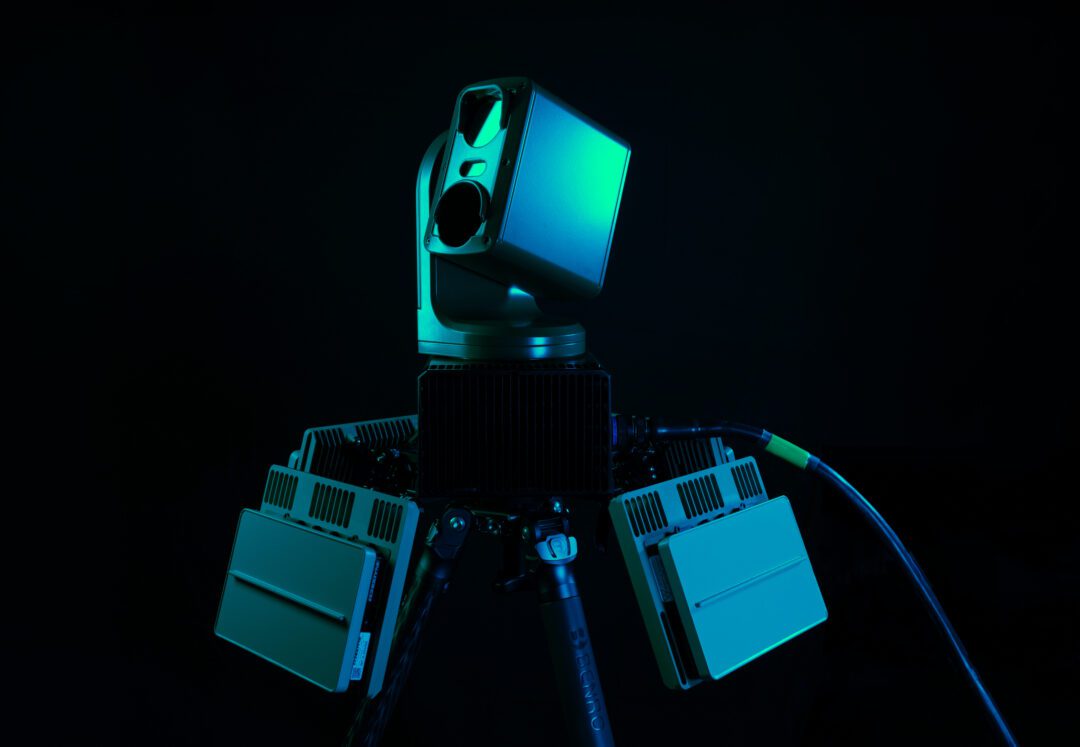
CORTEXA GUARDIAN is a modular, mast-mounted system combining RADAR and Point, Tilt, Zoom (PTZ) sensor inputs, to provide a high-resolution, fully autonomous capability to detect, track and identify multiple targets at once and enhance your counter-UAS systems.

CORTEXA COMMAND
Achieve seamless interoperability through fully compliant CORTEXA COMMAND systems that work across a range of applicable defence standards to give you a situational awareness picture you can trust.
RELATED C-UAS ARTICLES
Click here to find out more about Roke’s approach to counter-UAS.
Key Takeaways
SAPIENT provides the open, interoperable foundation modern counter-UAS systems need, enabling defence organisations to integrate best-of-breed sensors and effectors, reduce vendor lock-in, and adapt rapidly as drone threats evolve. While SAPIENT standardises how systems communicate, operational advantage comes from the fusion, analytics and autonomy layers built on top of it, where solutions such as Roke’s SAPIENT-native CORTEXA GUARDIAN deliver enhanced situational awareness and reduced operator burden.