As defence leaders prepare to gather for EW Live 2026 this September, attention once again turns to NATO’s eastern flank and the operational challenges shaping defence capability development across Europe.
The region has become an important reference point for military planners seeking to understand how modern threats are evolving across the Electromagnetic Spectrum (EMS), cyber domain and increasingly contested airspace.
While every nation’s defence priorities are different, the lessons emerging from NATO’s frontline regions continue to influence thinking around resilience, force protection and multidomain operations.
ADAPTING TO AN INCREASINGLY COMPLEX THREAT ENVIRONMENT
Modern military operations are changing. Commanders are expected to operate in environments where communications can be disrupted, navigation systems challenged and airspace contested by increasingly accessible unmanned systems.
The result is a growing requirement for capabilities that provide enhanced situational awareness, support faster decision-making and enable military forces to adapt as threats evolve.
Success is no longer determined by superiority in a single domain. Increasingly, operational advantage comes from the ability to coordinate actions across land, air, cyber and the Electromagnetic Environment (EME).
THE IMPORTANCE OF RESILIENCE
One of the key lessons emerging from NATO’s eastern flank is the importance of resilience. The ability to continue operating despite disruption has become just as important as the ability to generate operational effect.
This applies equally to command-and-control networks, sensing capabilities, communications infrastructure and force protection systems.
As defence organisations continue to modernise, there is growing recognition that resilience must be designed into capability from the outset rather than added later.

THE ELECTROMAGNETIC ENVIRONMENT (EME) AS A CONTESTED DOMAIN
Communications, sensors, navigation systems and autonomous platforms all rely on access to the EMS. At the same time, military forces increasingly face adversaries capable of exploiting, disrupting or denying that access.
This has elevated Electromagnetic Warfare (EW) and wider Cyber and Electromagnetic Activities (CEMA) from specialist disciplines to operational priorities.
Military planners are increasingly focused on how forces can identify threats, maintain situational awareness and generate effects within a contested EME. This growing emphasis on spectrum awareness, spectrum access and electromagnetic superiority continues to shape defence investment priorities across NATO.
THE EVOLVING AIR THREAT
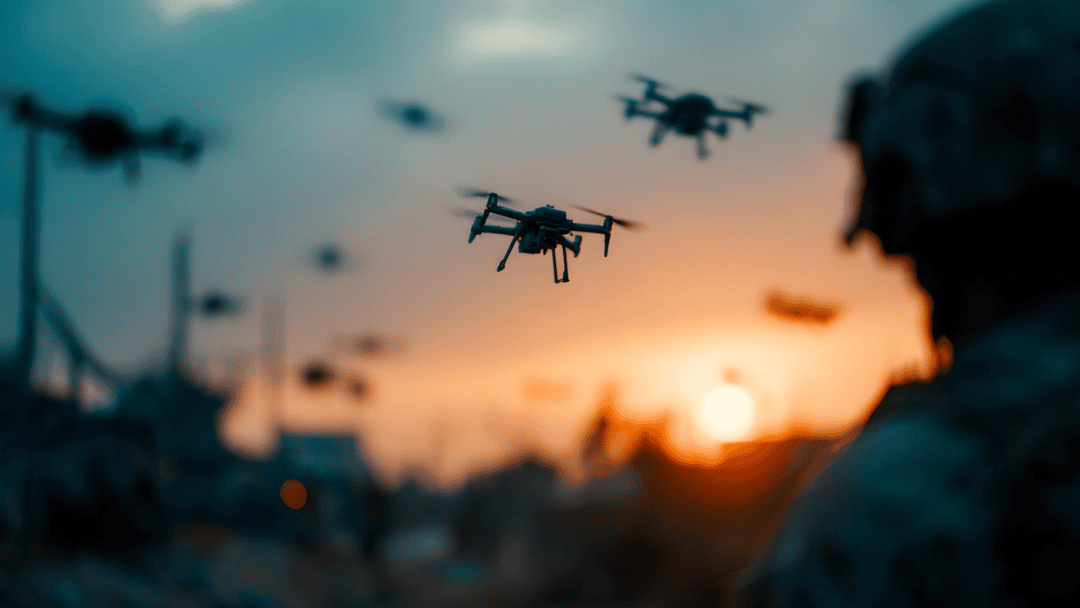
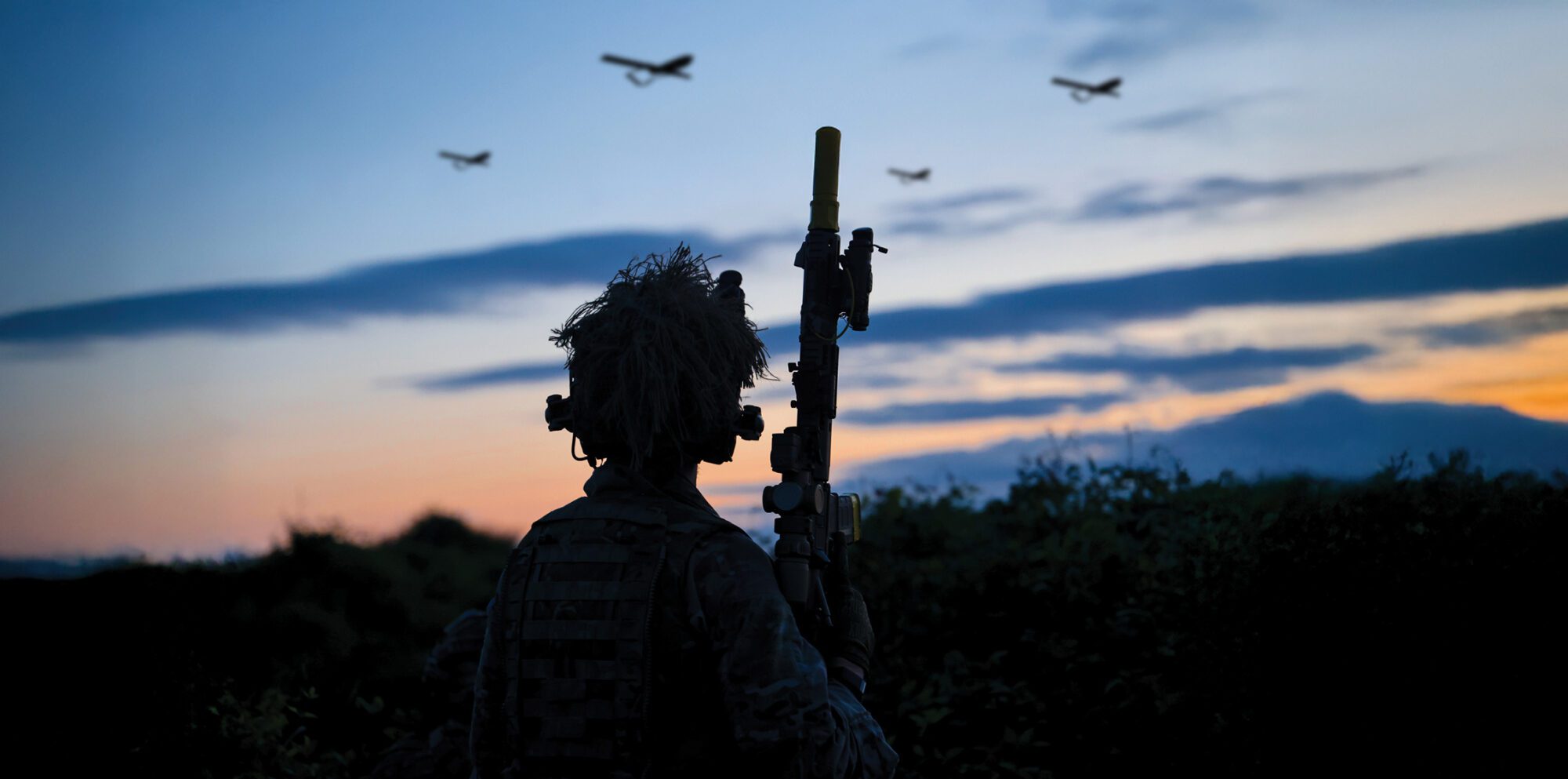
Alongside challenges in the EME, the widespread adoption of unmanned systems continues to change the character of modern operations. The increasing availability of low-cost drones has altered the force protection landscape and created new requirements for detection, tracking, identification and response.
Counter-UAS is no longer viewed as a niche capability. It is rapidly becoming a fundamental component of operational planning across a wide range of military missions.
As threats continue to evolve, military users are seeking approaches that integrate sensors, command systems and effectors to provide a comprehensive defensive response.
INTEGRATION AS A FORCE MULTIPLIER
Perhaps the most significant trend shaping defence capability development is the growing importance of integration.
Military users are increasingly looking beyond individual systems and focusing instead on how capabilities work together. Sensors, command systems, electromagnetic effects, Counter-UAS technologies and effectors all need to contribute to a shared operational picture.
The objective is simple: enable operators to detect threats faster, understand them more clearly and respond more effectively.
At Roke, these challenges continue to shape capabilities such as EM-Vis Deceive®, which delivers targeted electromagnetic effects in support of manoeuvre operations, and CORTEXA GUARDIAN, which supports a modular and integrated approach to Counter-UAS. Both reflect the growing demand for adaptable, interoperable systems capable of evolving alongside operational requirements.
FROM DEMONSTRATION TO UNDERSTANDING
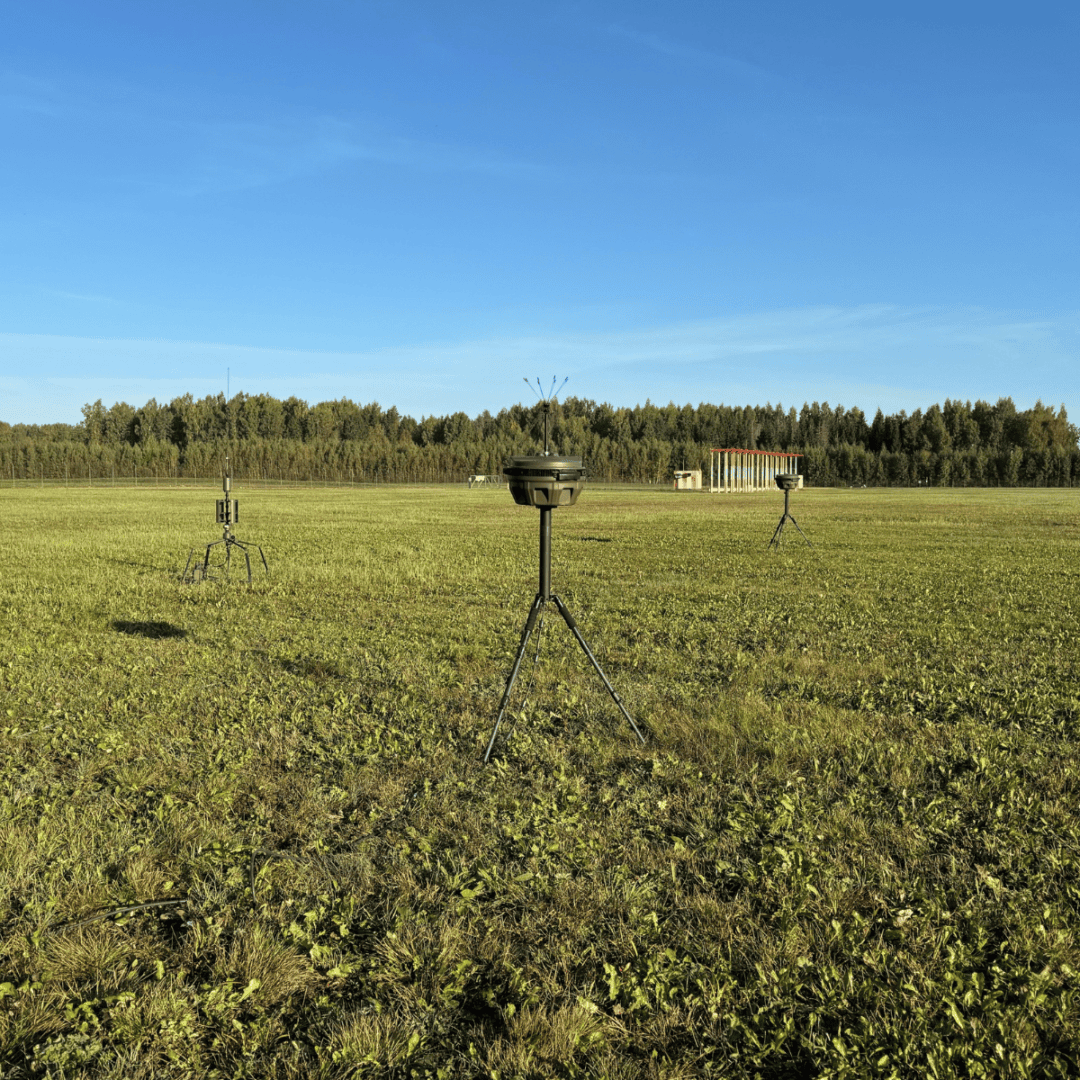
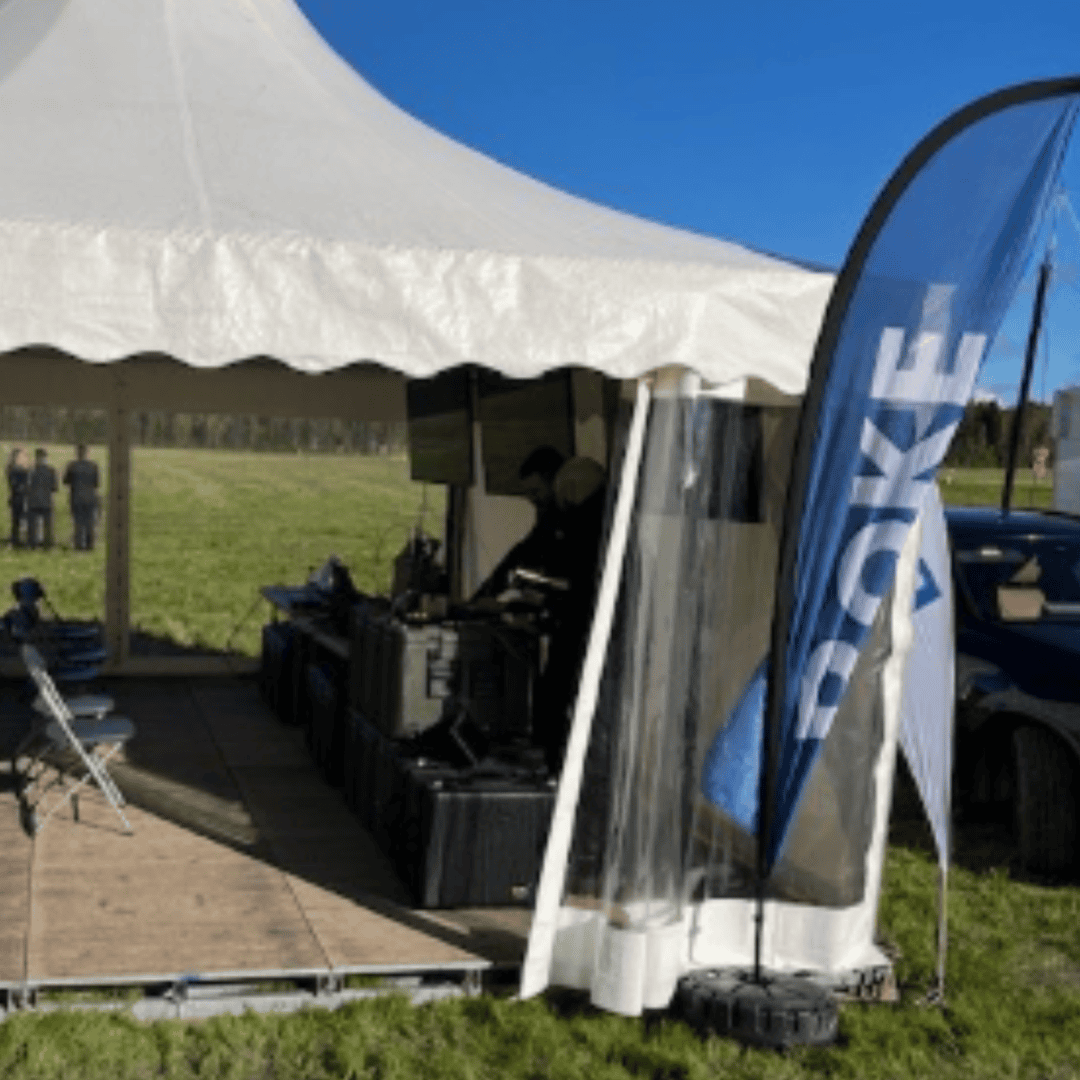
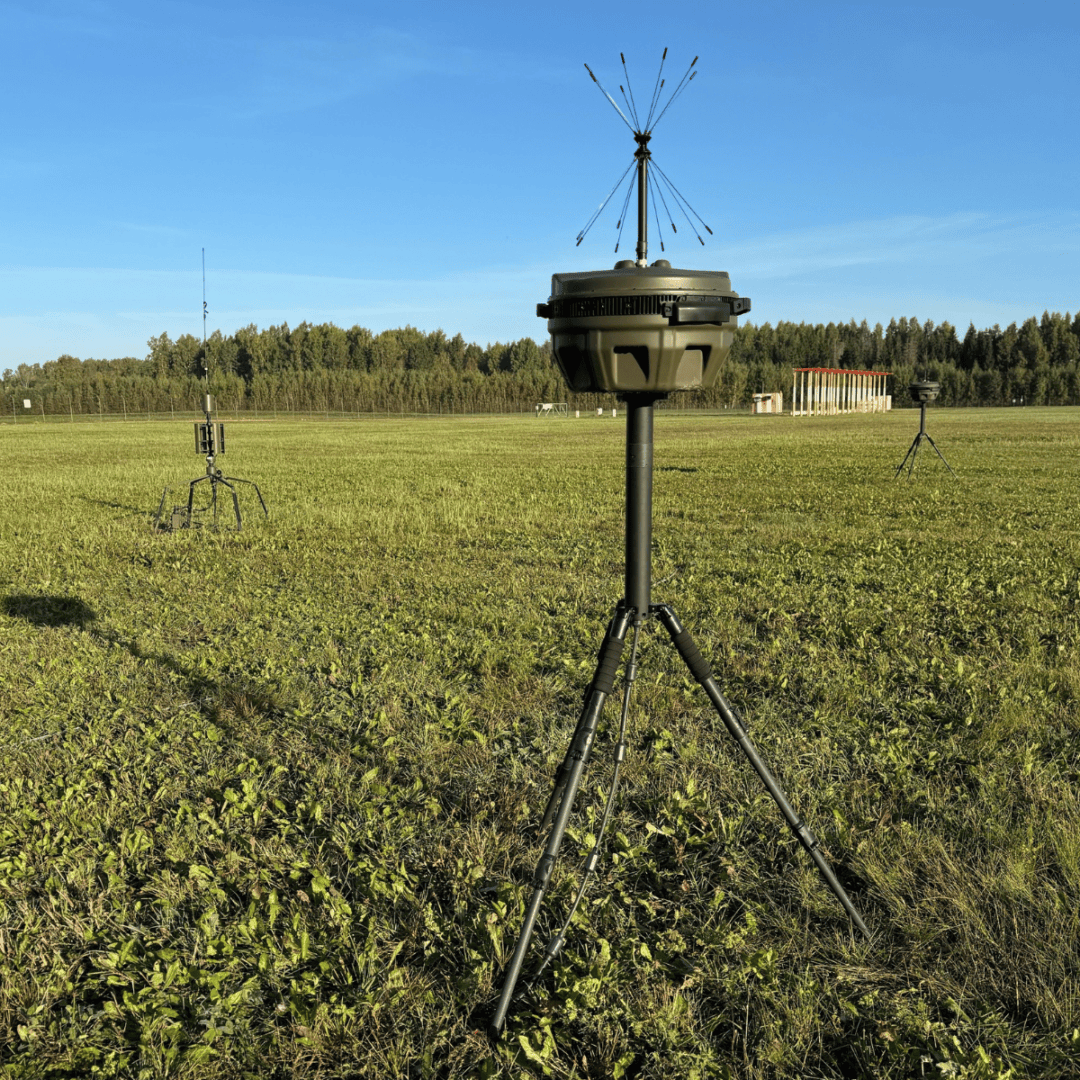
This is why events such as EW Live remain valuable. The opportunity to observe capabilities operating in realistic environments helps military users move beyond specifications and presentations to assess how technologies can support operational outcomes.
For many organisations, these demonstrations provide the starting point for future capability discussions, trials and experimentation activities.
The value lies not simply in seeing technology, but in understanding how it performs against real operational challenges.
Images from Roke demonstration at EW Live 2025
COLLABORATION ACCELERATES CAPABILITY DEVELOPMENT
As defence organisations respond to increasingly complex threats, collaboration has become a critical component of capability development.
No single nation, organisation or supplier has a monopoly on experience. Across NATO, military users and industry are increasingly sharing lessons, testing assumptions and evaluating new approaches against real-world challenges.
Events such as EW Live play an important role by bringing together military users government stakeholders and industry partners to assess capability in realistic environments.
These opportunities help accelerate development by creating a common understanding of operational challenges and enabling more informed discussions around future requirements.
For military end users, seeing capability demonstrated against representative scenarios provides greater insight than specifications, concept imagery or technical presentations alone.
As threats continue to evolve, the ability to collaborate, experiment and validate capability through demonstration will remain just as important as the technology itself.
EW Live 2026
Learn more about Roke’s presence at EW Live and the capabilities we’ll be showcasing.
LOOKING AHEAD
As NATO nations continue to adapt to evolving threats, the demand for resilient, integrated and mission-focused capabilities will only increase.
The lessons emerging from the eastern flank continue to reinforce the importance of EW, Counter-UAS and the effective integration of sensors and effectors across the battlespace.
Whether addressing challenges in the EME, protecting forces against aerial threats or connecting capabilities across multiple domains, the objective remains unchanged: helping operators make faster, better-informed decisions and achieve operational advantage in increasingly contested environments.
The future battlespace will not be defined by individual technologies alone, but by how effectively organisations integrate capability, share experience and translate innovation into operational effect.
DISCOVER OUR EW AND CUAS PORTFOLIO
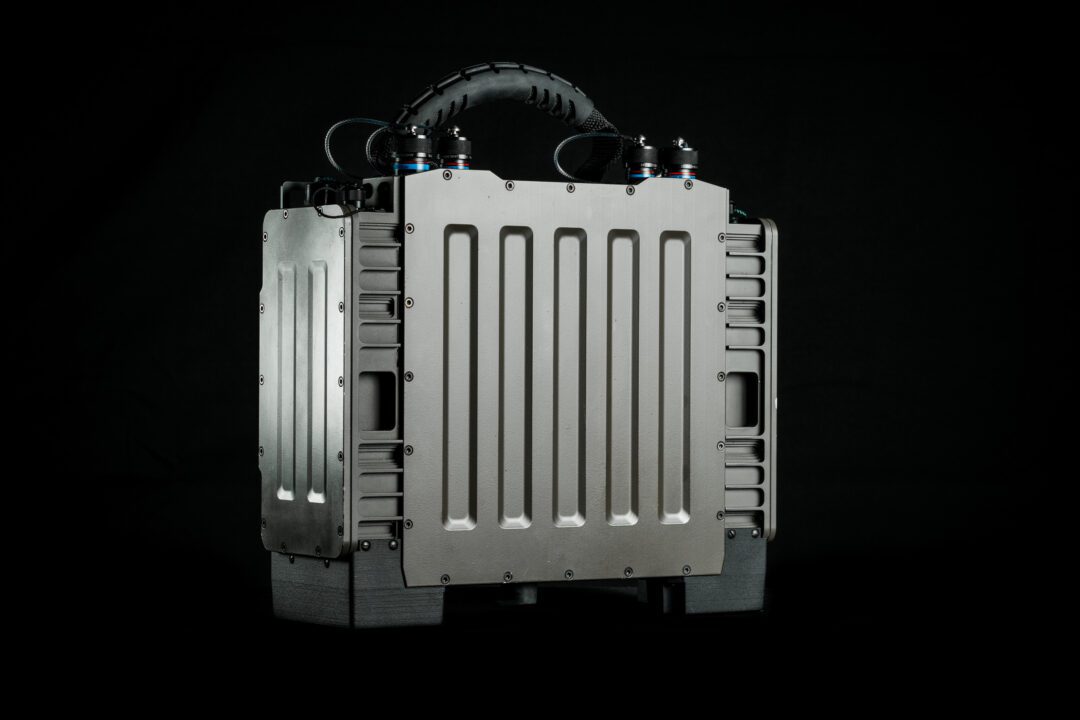
EM-Vis Deceive®
First person-borne, modular, open standards-compliant electronic attack platform for targeted effects against adversary communications.
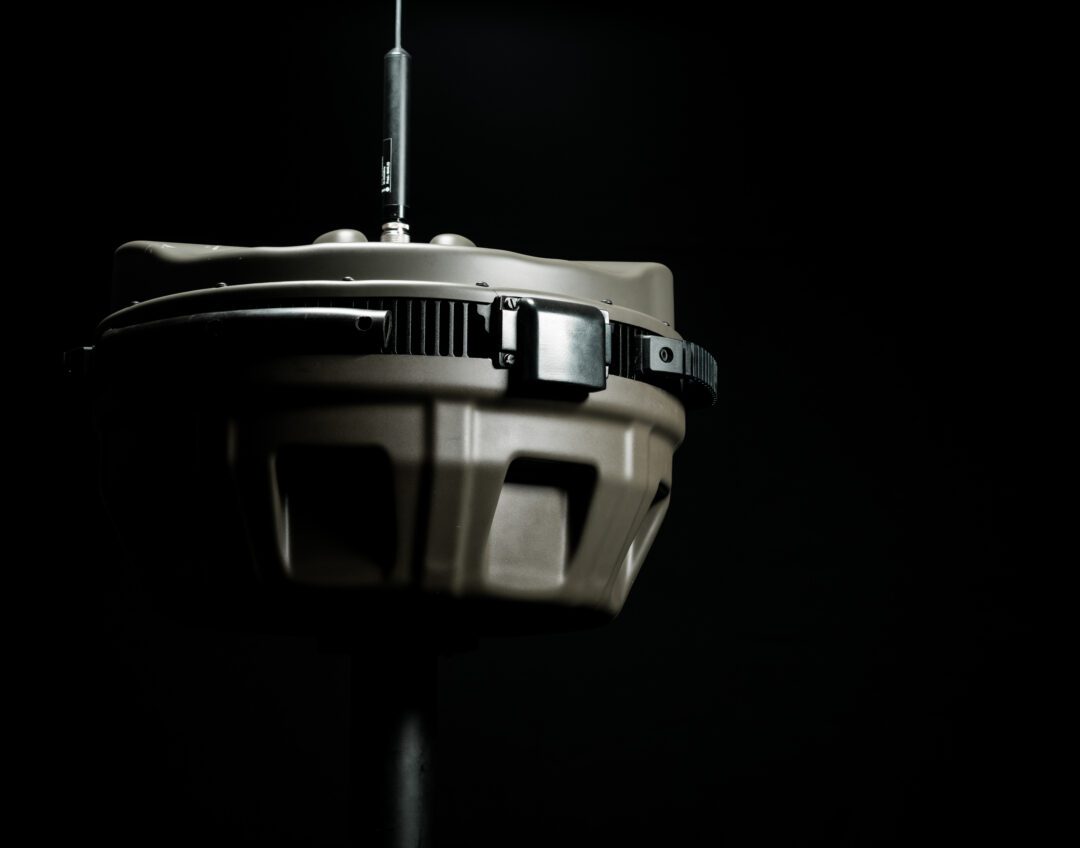
EM-Vis Perceive
First tactical wideband sensor combining Adaptive Beamforming and Super Resolution Direction Finding, delivering superior electromagnetic awareness in contested environments.

CORTEXA GUARDIAN
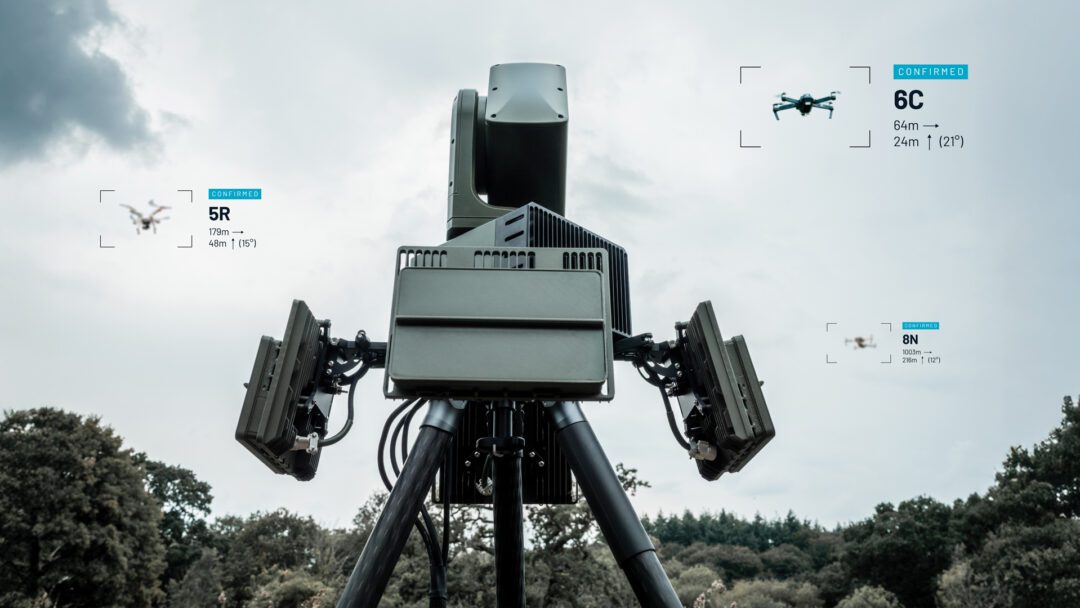
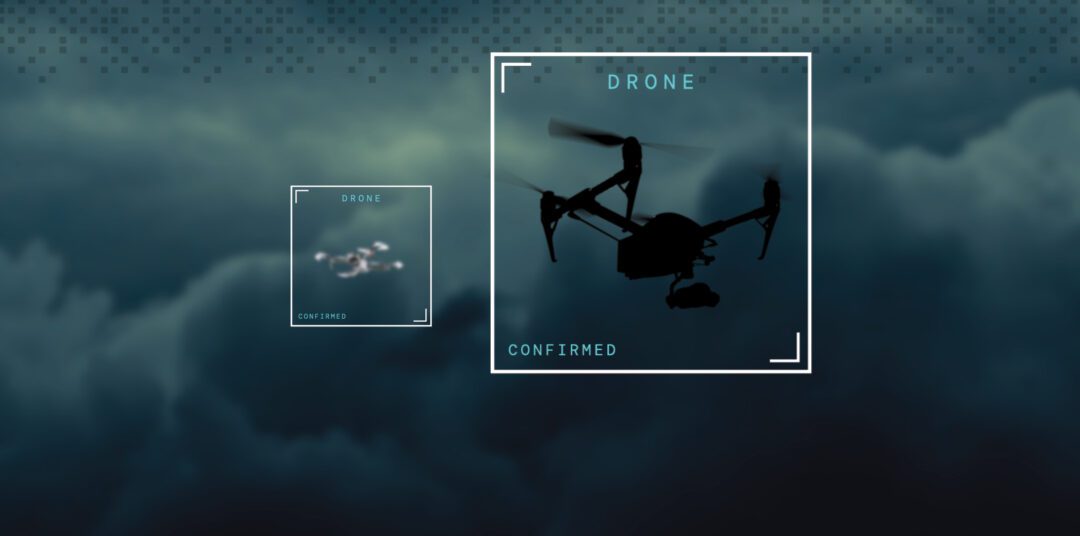
CORTEXA GUARDIAN is a modular, mast-mounted system combining RADAR and Point, Tilt, Zoom (PTZ) sensor inputs, to provide a high-resolution, fully autonomous capability to detect, track and identify multiple targets at once and enhance your counter-UAS systems.
RELATED EMS ARTICLES
Click here to find out more about Roke’s approach to EMS.
RELATED C-UAS ARTICLES
Click here to find out more about Roke’s approach to counter-UAS.
KEY TAKEAWAYS
Lessons from NATO’s eastern flank highlight how resilience, Electromagnetic Warfare, Counter-UAS and multidomain integration are becoming essential for operating effectively in contested environments. Future operational advantage will depend on how well organisations connect sensors, systems and decision-makers to deliver a shared understanding of the battlespace and faster, more informed responses to evolving threats.